
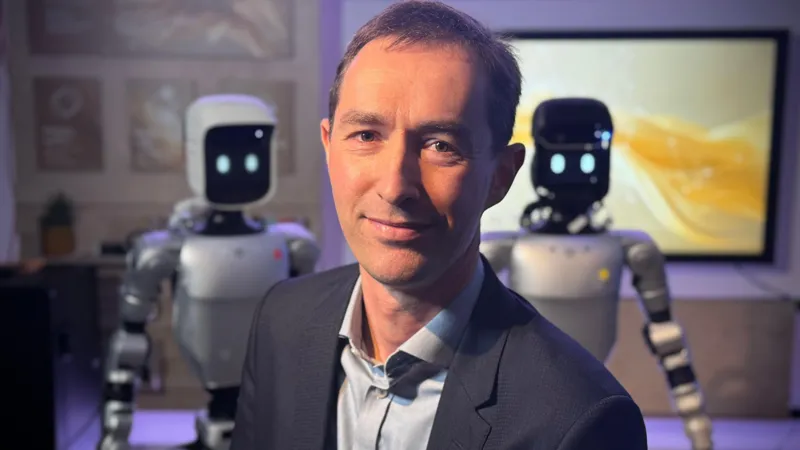
Cambridge is set to be at the forefront of science in 2026, with AI robots and plastics made from peas among the most exciting developments.
Last year, AstraZeneca paused a £200 million investment in Cambridge, which raised concerns about the local science sector and whether innovation might slow down. But experts are now optimistic.
Jane Hutchins, director of Cambridge Science Park—the UK’s first science park—says she expects 2026 to be “a really good year.” She points to several businesses on the verge of breakthroughs, including startups creating smarter robots and companies producing sustainable plastics from peas.
AI robotics is growing fast. Researchers are building machines that can perform complicated tasks in areas like healthcare, manufacturing, and logistics. These robots could make processes faster, safer, and more efficient.
At the same time, the drive for sustainability is creating new solutions in plastics. Pea-based biodegradable plastics are an eco-friendly alternative to regular plastics, helping to tackle pollution and reduce carbon footprints.
With AI robots and sustainable plastics leading the way, Cambridge is positioning itself as a hub for breakthroughs that could change industries and set new standards for science around the world. Investors, researchers, and tech fans are watching closely to see how these developments unfold.