
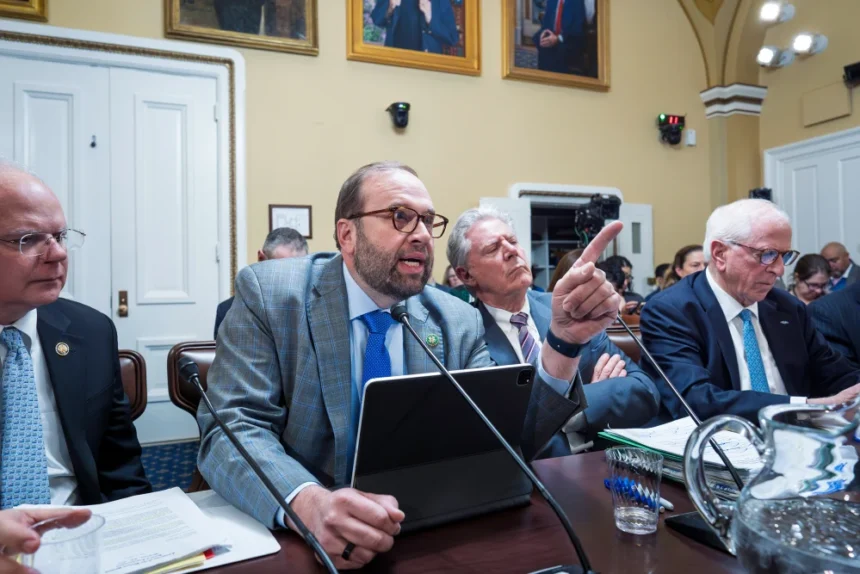
Health Insurance CEOs Face Congress Amid Rising Premiums
The CEOs of five major health insurers will testify before Congress on Thursday as House Republicans examine the causes of rising health care costs. The hearings are held by the Energy and Commerce and Ways and Means committees.
The timing follows the expiration of enhanced Affordable Care Act (ACA) subsidies at the end of last year. This lapse has led to sharp premium increases for millions of Americans. With Congress still divided, experts say no immediate solution is in sight.
The Focus of the Hearings
Republicans say they want to investigate the root causes of high health care prices. Committee Chairs Brett Guthrie, R-Ky., and Jason Smith, R-Mo., emphasized the hearings are not about President Trump’s latest health care plan.
“The ACA mandated coverage for individuals with pre-existing conditions, which increased access but also raised costs for healthier Americans,” a hearing document notes.
Drew Altman, CEO of KFF, said insurance companies are an easy target. “They make people miserable with prior authorizations and other hurdles,” he said.
Which CEOs Will Testify
Executives from UnitedHealth Group, CVS Health, Cigna, Elevance Health, and Ascendium will appear. They are expected to explain rising premiums and offer context for cost increases.
UnitedHealth CEO Stephen Hemsley plans to tell lawmakers that insurers compete aggressively to keep premiums affordable. However, he argues the real driver of higher costs is the overall health care system. “Premium rates rise when care costs rise, and people use more care,” he said.
David Joyner, CEO of CVS Health, echoed this point. He said higher costs stem from growing demand for care, rising provider expenses, and high prices for hospitals and prescription drugs.
ACA Tax Credits and Affordability
Experts point to the expired ACA tax credits as a major factor in rising premiums. Gideon Lukens, a senior fellow at the Center on Budget and Policy Priorities, said the hearings should focus on the affordability crisis caused by letting these subsidies lapse.
“Before the ACA, insurers could deny coverage to people with pre-existing conditions or charge them much more,” Lukens said. “The ACA stabilized the market. Without the enhanced credits, premiums increase sharply.”
Broader Impact
Premium increases have affected not just ACA plans, but also employer-based insurance and Medicare. The hearings will explore these broader trends while questioning the role of insurers versus systemic factors in health care costs.