A year after confirmation
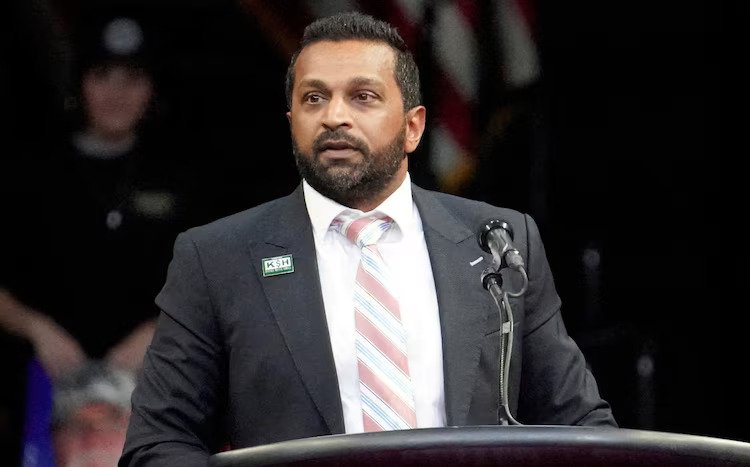
On February 20, 2025, Kash Patel was confirmed as the ninth director of the Federal Bureau of Investigation. One year later, he says the agency has made major gains in fighting crime and protecting the country.
Patel credits Donald Trump for backing law enforcement and giving the bureau more freedom and resources. During his Senate confirmation, Patel promised to focus on violent crime, national security, transparency and internal accountability. He now says those goals have guided every major decision over the past year.
Arrests, drug seizures and gang crackdowns rise
According to Patel, FBI arrests jumped from 34,000 in 2024 to 67,000 in 2025, a 197 percent increase. Violent crime arrests alone doubled to more than 30,000.
Agents disrupted around 1,800 gangs and criminal groups, more than triple the previous year. They also seized over 2,100 kilograms of fentanyl, which officials say could have been lethal to millions. Patel said a visit to Beijing led to an agreement aimed at cutting off the supply of fentanyl precursor chemicals at the source.
Cases tied to nihilistic violent extremism, including crimes against children, rose sharply. Arrests in that category increased 490 percent, and more than 6,200 missing or exploited children were located. Espionage related arrests climbed 35 percent.
The FBI also captured six individuals from its Ten Most Wanted list, including Ryan Wedding, who had been on the run for years. Patel says the national murder rate fell by 20 percent, marking one of the steepest declines in decades.
Targeting global threats
The bureau also focused on international cases. Patel pointed to actions involving Nicolás Maduro, wanted in the United States on narco terrorism charges, as well as alleged ISIS operative Mohammad Sharifullah. Another suspect, Zubayr Al-Bakoush, was linked to the 2012 Benghazi attack.
Officials say three terror plots were stopped during the holiday season, preventing potential mass casualty events.
Structural changes inside the FBI
Beyond arrests, Patel says the bureau changed how it operates. About 1,000 agents were reassigned from the Washington area to field offices across the country, with more support staff set to follow. The FBI also expanded training at Redstone Arsenal in Alabama, including a new counter drone program.
Leadership structures were reorganized to reduce delays at headquarters. Certain units were shut down, including the controversial CR 15 squad, and personnel accused of misconduct were removed.
A new Director’s Strategic Information Center now monitors threats around the clock. A Technology Working Group, led by Dan Bongino, was formed to improve the use of artificial intelligence and biometric systems in national security work.
Plans for a costly new Hoover Building project were scrapped. Instead, officials moved toward using the Ronald Reagan Building as headquarters, a move Patel says will save billions.
Partnerships with local law enforcement
The FBI also launched Homeland Security Task Forces in partnership with state and local agencies. In Virginia, nearly 600 arrests were made in one month under this model. Similar efforts in Memphis and Washington led to major drops in violent crime, according to Patel.
He says these partnerships, along with closer coordination with the Department of Justice, have reshaped the bureau for the long term.
Patel argues that the results go beyond statistics. In his view, the agency is now more focused, more accountable and better prepared to handle modern threats.