The US Supreme Court has struck down many tariffs introduced by President Donald Trump in 2025. This ruling disrupts months of talks between Washington, key Asian allies and has added a layer of uncertainty in regional trade.
Trump soon announced his plans to introduce new tariffs on imported goods of 15%. US Customs confirmed that they will stop collecting the duties related to earlier tariff measures. The sudden change in policy has forced Asian governments to rethink and review their current positions.
Trade Deals Under Pressure
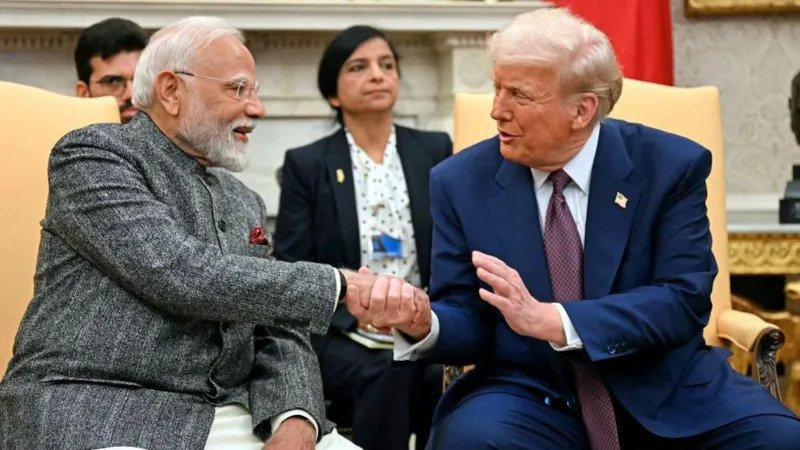
In order to reduce tensions in the trade, several countries including India and Indonesia had been talking with Washington for months. Some countries pledged to invest billions in the US in order to get better terms. Now, the court’s ruling casts doubts on those agreements.
Analysts warn of high uncertainty despite the fact that 15 percent is a lower rate than previous rates. Adam Samdin, from Oxford Economics, said that the US government still wants to keep higher tariffs despite legal setbacks. He pointed out that recent trade deals lack the legal protections found in more traditional trade agreements. This leaves the door open for policy to be changed suddenly.
Asian smaller economies might be cautious. The economic prospects of smaller Asian economies could be heavily dependent on Washington. Many governments will avoid confrontation and instead quietly explore alternatives.
China reviews impact ahead of key meeting
China also reviews the consequences of the decision. Beijing has confirmed that it will assess the potential impacts and the full content of this decision. The officials reiterated that they oppose unilateral tariff increases and warned against trade wars.
This development occurs as China is preparing to host Trump at the beginning of April. Despite this legal setback US Trade Representative Jamieson Grer stated that he did not anticipate the ruling to have an impact on talks with Chinese president Xi Jinping. Greer said that the main focus will be to maintain stability, and ensure China keeps its existing commitments. This includes purchasing American agricultural products, and Boeing aircraft.
What this Means to Asia
Trade tensions have not been eliminated by the Supreme Court’s decision, which changed Trump’s legal basis for his tariff policy. The Asian countries must decide whether they want to negotiate new terms or wait for more clarity. They can also choose to strengthen their ties with trading partners.
Markets may be volatile in the short-term as companies seek to understand future tariff structures. The ruling may have a long-term impact on how the United States negotiates and enforces trade agreements.