
Obituary Language Sparks Outrage
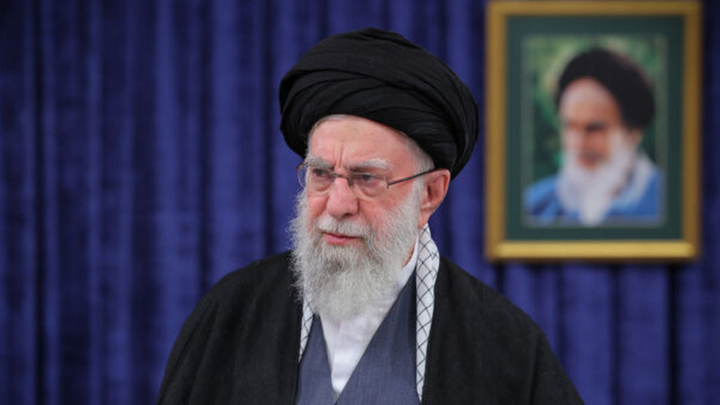
The Washington Post faced sharp backlash after it described Iran’s Supreme Leader Ayatollah Ali Khamenei as “avuncular” with a “bushy white beard and an easy smile” in his obituary.
Critics argued the wording softened the image of a leader many blame for repression at home and violence abroad. The obituary also mentioned Khamenei’s interest in Persian poetry and classic Western literature, including Victor Hugo’s Les Misérables. That detail drew even more criticism from readers who felt the tone missed the gravity of his record.
Several commentators compared the language to earlier controversial obituaries of extremist figures. They said the paper focused too much on personality traits instead of policy decisions and their consequences.
Death Follows Major Military Strike
Israeli forces, working alongside the United States, carried out a large scale military operation in Tehran that killed Khamenei and other senior Iranian leaders. Officials named the coordinated action Operation Epic Fury.
U.S. and Israeli leaders said they targeted command centers, missile infrastructure, and senior figures they viewed as direct threats. In response, Iran and its allies launched retaliatory strikes across the region.
The violence intensified regional tensions. Military officials confirmed injuries among U.S. personnel as clashes continued.
Debate Over Media Tone
Public reaction split quickly. Some media analysts defended the obituary format and argued that describing personal traits does not equal praise. Others insisted that tone matters, especially when covering leaders linked to conflict and human rights abuses.
The controversy revived broader questions about how news outlets cover powerful and polarizing figures after their deaths. Readers expect accuracy. However, they also expect moral clarity.
Meanwhile, President Donald Trump warned Iran against further retaliation. He said the United States would respond with overwhelming force if Iran escalated the conflict.