Conflict Raises Fears of Energy Disruption
Gas prices in the United States may soon climb as rising tensions in the Middle East put pressure on a key global oil route. After joint U.S. and Israeli strikes known as Operation Epic Fury targeted Iranian sites and killed Iran’s Supreme Leader, Ali Khamenei, markets quickly turned their attention to how Tehran might respond.
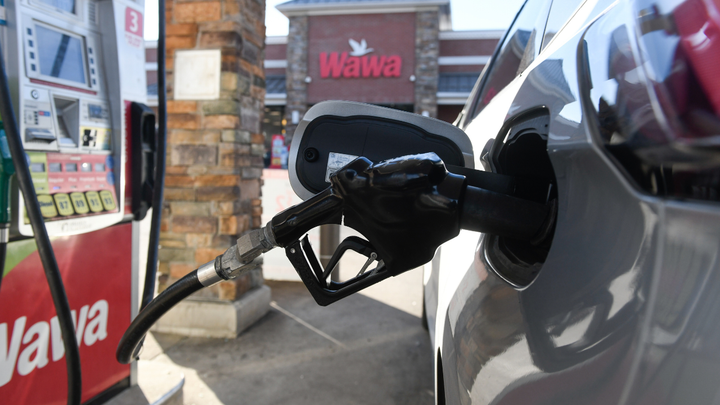
Energy traders worry that any retaliation could hit oil facilities or tanker traffic in the region. Even the threat of disruption can push crude prices higher, and that often shows up at American gas stations within days.
Analysts Predict Short Term Price Spike
Economist Stephen Moore said similar flare ups in the region over the past several decades have repeatedly shaken energy markets. He expects gas prices could jump by 25 to 50 cents per gallon in the short term if tensions continue.
Early market signals already point upward. Patrick De Haan, who tracks petroleum markets at GasBuddy, reported that oil prices rose by about five dollars per barrel, while wholesale gasoline climbed by roughly 11 cents per gallon.
Retail stations could start adjusting prices right away. De Haan noted that some markets change prices in sharp bursts rather than gradual increases. The national average could approach three dollars per gallon quickly, with certain areas seeing jumps of 10 to 30 cents this week.
Strait of Hormuz in Focus
Much of the concern centers on the Strait of Hormuz, a narrow waterway between Iran and Oman. Around one fifth of the world’s oil supply moves through this corridor each day. It also handles nearly a quarter of global liquefied natural gas trade.
If that route faces blockades, attacks, or delays, oil shipments could slow dramatically. Analysts warn that even temporary interruptions would tighten supply and lift prices worldwide.
Shipping giant Maersk announced it would suspend vessel crossings through the strait until further notice. The company cautioned that service to ports in the Arabian Gulf may face delays. That move alone highlights the level of concern in global freight markets.
Market Psychology Matters
Not every expert expects immediate spikes. Jaime Brito of OPIS said supply chain effects usually take time to filter through. However, he also explained that markets often react to expectations before actual shortages occur.
In other words, if traders believe supply trouble is coming, fuel prices can rise even before physical shipments decline. Regional pricing strategies and local supply conditions may also cause uneven changes across the United States.
Seasonal trends add another layer. Gas prices often rise as summer travel approaches. Still, analysts say geopolitical risk now carries more weight than typical seasonal demand patterns.
What Drivers Should Watch
For American drivers, the key question is whether this becomes a short lived surge or a longer period of elevated prices. That outcome depends largely on how Iran responds and whether critical oil infrastructure remains intact.
If tensions ease quickly, prices could stabilize. If conflict expands near major energy routes, drivers may feel the impact for weeks or longer.