President Donald Trump’s military action against Iran has triggered sharp backlash from many Democrats, even as some Iranian exiles celebrate the reported fall of Supreme Leader Ali Khamenei.
The divide highlights a deep political split inside the United States over foreign policy, Israel, and the future of Iran.
Democratic Leaders Condemn the Strikes
Several Democratic lawmakers quickly denounced the joint U.S. and Israeli operation. Senator Chris Murphy called the move dangerously illegal and a massive mistake. He also described the president as acting like a would be dictator.
Representative Rashida Tlaib sharply criticized Israel’s actions and accused its government of committing war crimes. She has long opposed additional military aid to Israel and repeated that stance following the latest strikes.
These responses reflect a broader shift inside the Democratic Party. In recent years, support for Israel has weakened among some progressives, especially since the Gaza conflict intensified. Internal reviews after the 2024 election reportedly found that disagreements over Middle East policy cost Democrats voter support.
International and Campus Reactions
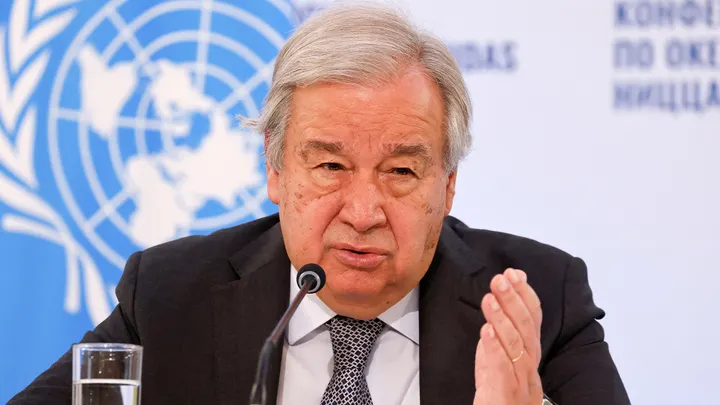
Criticism also came from outside Washington. United Nations Secretary General António Guterres urged restraint and called for immediate negotiations to avoid further escalation.
In the United Kingdom, Prime Minister Keir Starmer initially hesitated to allow U.S. forces to use British bases. He later approved limited access, which drew mixed reactions at home and abroad.
On college campuses, some student groups protested the operation. At Columbia University, an anti Israel group posted inflammatory messages online. Senator Ted Cruz responded by calling for the deportation of foreign students who promote anti American rhetoric.
Meanwhile, New York City Mayor Zohran Mamdani criticized the strikes as an illegal escalation. He also reassured Iranian Americans in the city that they would remain safe and protected.
Supporters Argue Action Was Necessary
While critics warn of escalation, supporters argue that Iran’s leadership has fueled instability across the Middle East for decades. They point to Tehran’s backing of armed proxy groups and its pursuit of advanced missile and nuclear capabilities.
Some analysts also question the effectiveness of the Obama era nuclear agreement, formally known as the Joint Comprehensive Plan of Action. They argue that verification limits and enforcement gaps weakened the deal from the start.
At the same time, observers acknowledge the risks. Iran possesses a large missile arsenal and has the ability to disrupt global oil shipments through the Strait of Hormuz. Any broader conflict could carry serious economic and military consequences.
A Defining Moment
The debate over Trump’s Iran strikes reflects more than party politics. It raises larger questions about deterrence, alliance commitments, and the future of U.S. leadership in the region.
Supporters believe the move could weaken a long standing adversary and open the door to change inside Iran. Critics fear it could deepen instability and draw the United States into a prolonged conflict.
What happens next will depend on how Iran responds and whether diplomatic channels reopen in the days ahead.