
Key concern over fast AI progress
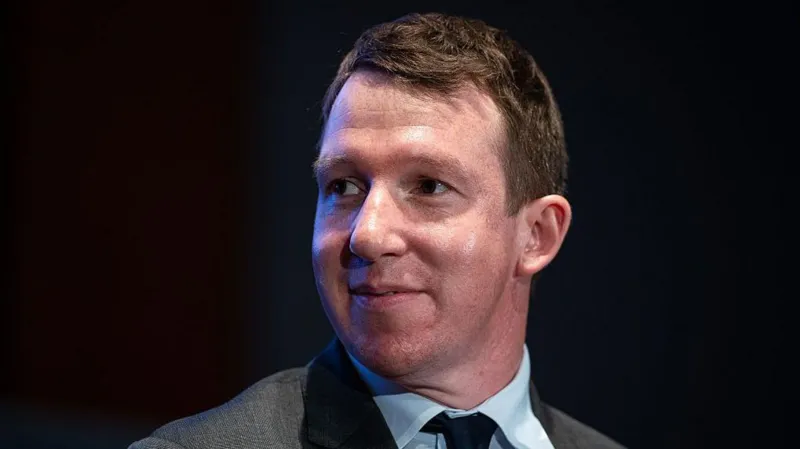
Anthropic co founder Jack Clark has raised concerns about how quickly artificial intelligence is advancing. He warned that AI systems may soon reach a stage where they can improve and generate code with very little human involvement.
Speaking to BBC Newsnight, Clark said the industry currently has strong momentum but lacks proper control mechanisms. He explained that the field is moving forward rapidly, but safety and governance tools are not keeping pace.
Call for stronger regulation and oversight
Clark stressed that governments and policymakers need to stay in control of AI development. He said future systems will become more powerful and will have wider effects on jobs, society, and decision making.
He argued that regulation should give society the ability to slow down AI progress when needed. According to him, the goal is to ensure humans remain in charge of how these systems evolve.
AI systems already writing most of their own code
Clark revealed that Anthropic’s chatbot Claude already generates around 80 percent of its own code. He suggested that reaching full automation in coding could happen within two years, a shift he described as highly significant.
Such progress, he warned, could reshape how AI companies operate and how software is built across the industry.
Debate over government action and industry responsibility
Despite these concerns, major AI companies, including Anthropic, OpenAI, and Google, continue to advance their systems without pausing research. Clark noted that the US approach to regulation remains relatively flexible, with limited mandatory safety checks.
He compared the situation to the early oil industry, where rapid growth eventually led to formal rules that helped stabilize the sector. He believes AI will require a similar framework to maintain public trust and reduce risks.
Rapid growth and rising valuations
Anthropic has expanded quickly since its launch five years ago. The company is now preparing for a public stock market listing, which could make it one of the most valuable tech offerings in history. Investors estimate its value could reach nearly one trillion dollars.
Clark said the company’s public warnings are not about marketing or reputation. Instead, he said the aim is to share honest insights about how fast the technology is evolving inside leading AI labs.