Introduction: Moving Beyond Just Cardio
Most people focus on walking, running, cycling, or other cardio workouts to stay fit. These activities help the heart, improve stamina, and support longer life. But experts say strength training plays an equally important role, especially for maintaining independence and daily function as you grow older.
Strength Training in Everyday Life
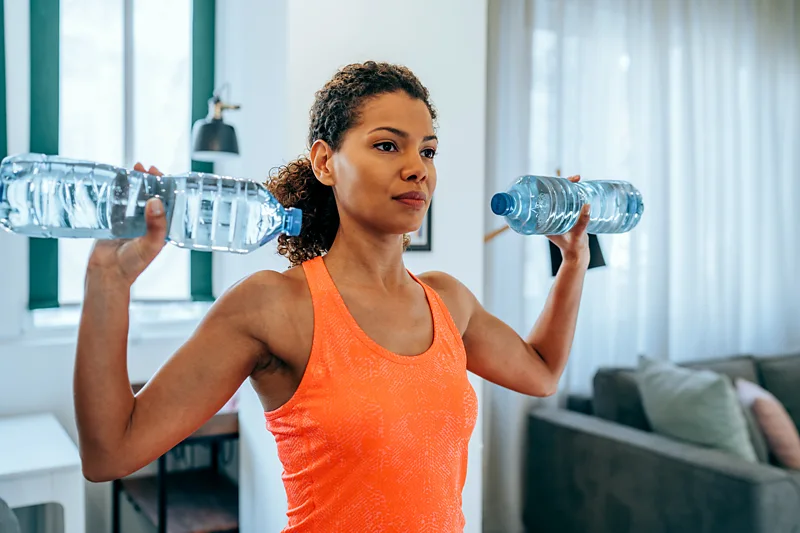
Simple habits can turn daily tasks into light workouts. For example, carrying shopping bags or lifting water bottles can be turned into squats or controlled movements. This small shift helps introduce resistance training without needing a gym or special equipment.
Why Strength Matters With Age
Researchers say the biggest benefits of resistance training appear when people start from no exercise at all. Even basic strength work can lead to noticeable improvements in muscle power, balance, and overall physical ability.
Experts highlight that inactivity carries the highest risk. Starting small is often more effective than doing nothing. Over time, even light strength training can make daily life easier and reduce physical decline.
Cardio vs Strength: Finding Balance
Cardio exercises are great for heart health and endurance. However, strength training supports muscle mass, bone strength, and mobility. Together, they create a more complete fitness routine that improves both lifespan and quality of life.
Expert Insight
A muscle physiology researcher explains that strength training is often overlooked compared to cardio. Another health expert notes that beginners gain the most from starting resistance exercises, even at a basic level. The key message is simple: consistency matters more than intensity at the beginning.
Getting Started Without a Gym
You do not need machines or a fitness center to begin strength training. Bodyweight movements, household items, and short daily routines are enough to build strength gradually.