Ebola Cases Continue to Rise in DR Congo
The Ebola outbreak in the Democratic Republic of Congo is becoming more serious as health officials warn that infections and deaths may continue to increase in the coming weeks. The World Health Organization (WHO) reported around 600 suspected cases and nearly 139 suspected deaths linked to the virus.
According to health authorities, 51 Ebola cases have already been confirmed in DR Congo, while two additional cases were detected in neighboring Uganda. Experts believe the virus may have been spreading quietly for several months before officials identified the outbreak.
WHO Director General Tedros Adhanom Ghebreyesus explained that the outbreak involves the Bundibugyo strain of Ebola. Although the situation remains serious, health officials stated that it has not reached pandemic level.
Health Workers Face Growing Pressure
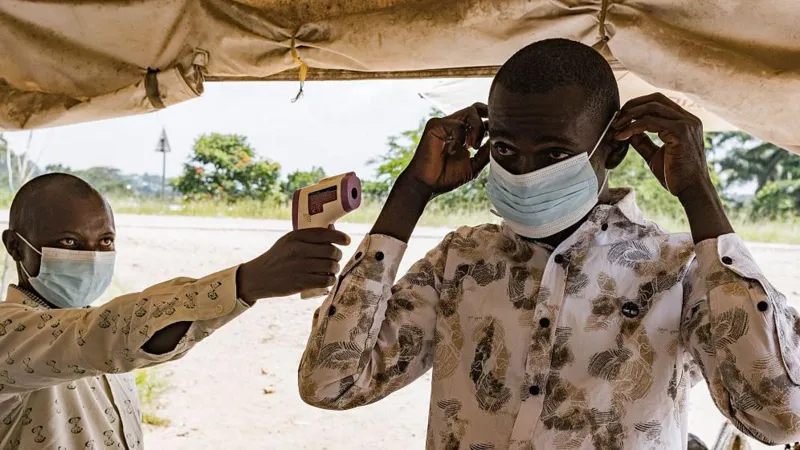
Medical teams in affected areas continue to struggle as hospitals and clinics become overcrowded. Protective equipment has started arriving in some regions, but many healthcare workers still lack proper safety supplies while treating patients.
Health experts are now focused on stopping the virus from spreading further. Investigators are also working to determine how long Ebola circulated before authorities confirmed the first case.
The first known patient was reportedly a nurse who developed symptoms in April and later died in Bunia, a city located in Ituri province. After her death, the body was transferred to Mongwalu, a mining town where many infections have since appeared.
Areas Affected by the Ebola Outbreak
Several locations across eastern DR Congo have reported infections. The most affected areas include Mongwalu, Bunia, Rwampara, and Nyakunde in Ituri province.
Cases have also been reported in North Kivu, including the major city of Goma and the town of Butembo. Health officials fear that movement between towns could increase the spread of the disease.
Residents in affected communities have started changing their daily habits to protect themselves. Many people have stopped shaking hands and are avoiding close physical contact to reduce the risk of infection.
Public Fear Continues to Grow
People living in the region say fear is spreading alongside the virus. Many residents believe the outbreak could become worse because the disease was not identified quickly during the early stages.
Ebola spreads through direct contact with bodily fluids and infected surfaces. The virus can cause severe bleeding, organ failure, and death if patients do not receive immediate medical care.
Health officials continue urging communities to follow safety measures, report symptoms quickly, and avoid unnecessary contact with infected individuals.
Conclusion
The Ebola outbreak in DR Congo remains a major health concern for Central Africa. While international health organizations continue sending medical support and supplies, officials warn that confirmed infections and deaths may rise as more testing takes place.
Authorities are now racing to contain the virus before it spreads further across the region and into neighboring countries.