
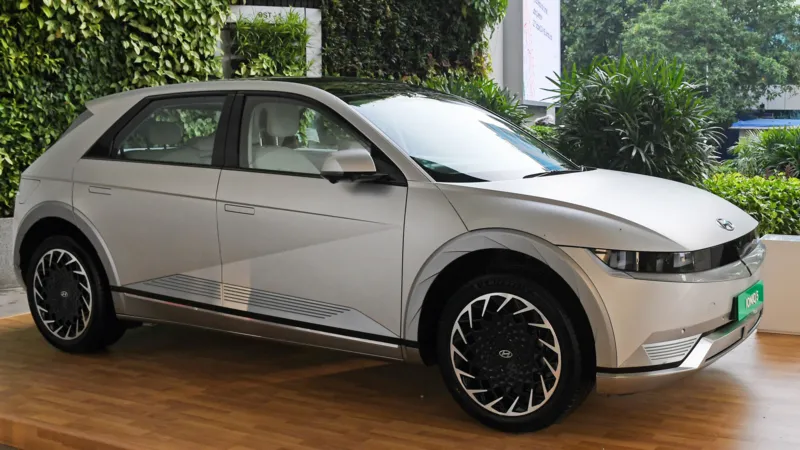
India’s shift toward electric vehicles (EVs) is gaining speed as more consumers look for affordable alternatives to traditional fuel-powered cars. Rising fuel prices, new government regulations, and increasing environmental awareness are encouraging buyers to choose electric mobility.
Recent industry data shows that India’s electric car market grew by 25% during the financial year ending March 2026. EVs have also crossed the significant 5% mark in the country’s passenger vehicle market, a milestone often viewed as the beginning of mainstream adoption.
Higher Fuel Costs Push Consumers Toward EVs
One of the biggest reasons behind the growing demand for electric vehicles is the increase in fuel prices. India imports nearly 90% of its crude oil requirements, making the country highly sensitive to global oil market fluctuations.
Recent tensions in the Middle East have pushed crude oil prices higher, leading fuel retailers to increase petrol and diesel prices. As transportation costs continue to rise, many consumers are considering electric vehicles as a cost-effective solution.
Prime Minister Narendra Modi has also encouraged citizens to reduce fuel consumption by using public transport, carpooling, and working from home whenever possible.
Industry experts believe that uncertainty in fuel prices will continue to strengthen the appeal of electric vehicles across India.
Premium Electric Vehicles See Strong Demand
The strongest growth is currently visible in larger passenger vehicles priced above one million rupees. In this segment, one out of every ten vehicles sold is now electric.
The transition is even more advanced in other vehicle categories. Electric three-wheelers account for more than 30% of sales, while electric motorcycles and scooters represent over 15% of their market segment.
These figures indicate growing consumer confidence in electric mobility and improved acceptance of EV technology.
New Emission Rules Could Boost EV Sales Further
Another major factor supporting EV growth is the upcoming Corporate Average Fuel Efficiency (CAFE-3) regulation.
The new standards will take effect in April 2027 and remain in force until 2032. The regulations aim to reduce carbon emissions from passenger vehicles from 113 grams per kilometer to 76 grams per kilometer by 2032.
Automakers will face stricter compliance requirements under the new framework. Industry analysts expect these regulations to encourage manufacturers to expand their electric vehicle offerings and invest more heavily in clean transportation technology.
State Governments Introduce Ambitious EV Policies
Several Indian states are also taking steps to accelerate the transition to electric mobility.
Delhi, one of the country’s most polluted regions, recently proposed a policy that would gradually phase out conventional internal combustion engine vehicles. The draft plan also seeks to stop new registrations of petrol and diesel-powered two-wheelers and three-wheelers by 2027.
Such initiatives could further strengthen EV adoption in urban areas and support India’s long-term environmental goals.
Outlook for India’s Electric Vehicle Market
India’s electric vehicle market appears to be entering a new phase of growth. Rising fuel costs, stricter environmental regulations, and supportive government policies are creating favorable conditions for wider EV adoption.
While challenges such as charging infrastructure and affordability still exist, current trends suggest that electric vehicles are becoming an increasingly important part of India’s transportation future.