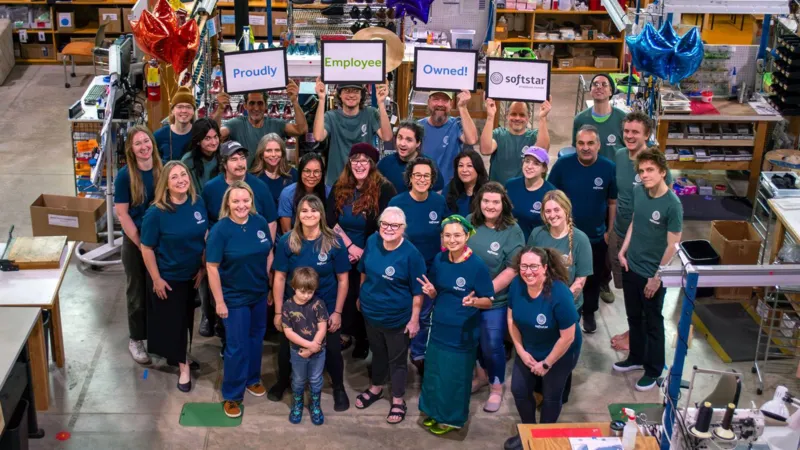
Employee ownership at Softstar Shoes
Softstar Shoes in Oregon has moved to employee ownership, giving its 30 workers control of the company. The decision followed a full sale by former owner and chief executive Tricia Salcido, who chose to transfer ownership to her team instead of selling to an outside buyer.
Salcido is 56 and beginning to plan for retirement. She now works as chief financial officer for the next few years while the staff run day to day operations.
Why the business was sold to employees
Salcido said she wanted to protect the company’s future and keep production local in the United States. She believed a corporate buyer would likely cut costs and possibly move parts of the work elsewhere.
She explained that the business represents years of personal effort and that many small business owners want to protect what they have built, especially when they care about their employees.
Staff involvement has increased
Since the transition, employees have become more active in decision making. Salcido says workers now send direct suggestions and ideas on how to improve operations and increase efficiency.
She noted that this level of engagement was not common before the ownership change. Staff now feel more responsible for both performance and profits.
A growing trend in the US
Employee ownership is becoming more common across the United States. A recent study suggests around 600 companies per year are now being sold to their workers.
Funding for these deals has also grown strongly, rising to about $865 million in 2025 from $500 million in 2024.
Benefits of employee ownership
Research suggests employee owned firms often perform well. They tend to be more productive, less likely to lay off staff, and may offer higher wages. Workers also share in both the risks and rewards of the business.
A wider retirement wave driving change
Many business owners in the US are reaching retirement age. A McKinsey report estimates that around six million small and medium sized business owners, mostly from the baby boomer generation, will retire by 2035.
Experts warn this could trigger a major wave of ownership changes. Many owners are now exploring employee ownership because their children are not always interested in taking over the business.
What experts are seeing
Harvard Business School associate professor Ethan Rouen says he frequently meets owners looking to sell. He notes that employee ownership is becoming an attractive option for those who want to protect their workforce and legacy rather than sell to large corporations or private equity firms.