In Fiji a lot of farmers look at nature to figure out when cyclone season is coming. They watch plants, insects and animals to help them make decisions about farming. This old way of doing things helps them get ready for storms that happen between November and April.
Farmer Marika Radua says that these natural signs have been helping him for years. He trusts what the land is telling him before he plants his crops.
Traditional Knowledge in Farming
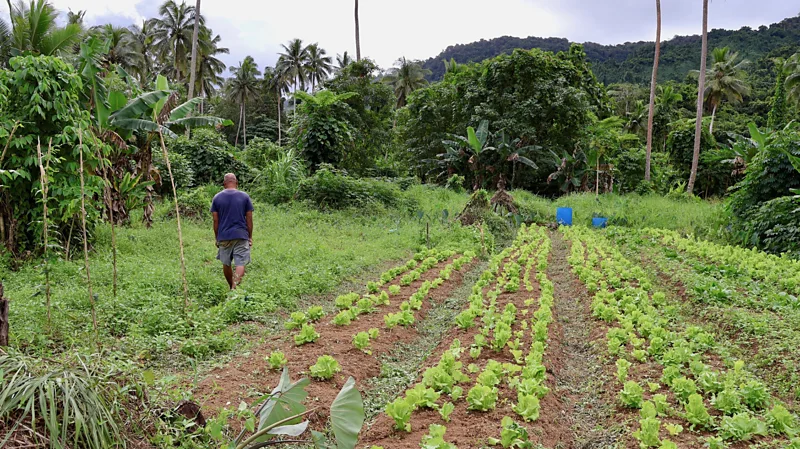
On Vanua Levu, which’s Fijis second biggest island farming is very connected to nature. Marika Radua grows things like taro, cassava and lettuce on his farm. He takes care of his farm carefully.
He uses the knowledge that has been passed down to him from his family. This knowledge helps him decide when to plant and when to harvest his crops so they can survive the weather.
He thinks that nature is sending him warnings when a cyclone is near.
Yam Vine Signals and Weather Changes
Wild yam vines are very important for predicting the weather in Fiji.
When the vines spread out on the ground farmers think that a cyclone might be coming soon. This usually happens during the cyclone season, which’s from November to April.
Radua says that the vines grow close to the ground to protect themselves from winds. When they grow up towards the sky it usually means that the weather will be calm.
Farmers see this as a natural warning system that helps them get ready early.
Other Natural Indicators in Fiji
Yam vines are not the natural sign. A lot of Fijians also look at living things to figure out what the weather will be like.
They watch how bees behave how banana plants grow and how breadfruit trees react to changes in the environment.
Older people often rely more on these signs in rural areas where they do not have a lot of modern tools.
Blending Tradition with Modern Science
A time ago people all around the world used nature to predict disasters. Today we have satellites and computers that can give us accurate forecasts.
Fiji is going back to traditional knowledge. Scientists and meteorologists are now studying these signs along with the modern data.
In 2024 Fijis meteorological service started combining knowledge with scientific forecasting. They say that this is a way of doing things because it improves the warning systems.
Regional Cooperation in the Pacific
Fiji is not the country doing this. Countries like Vanuatu, Tonga, Samoa, Niue and the Solomon Islands are also combining knowledge with science.
The Secretariat of the Pacific Regional Environment Programme is helping with this work. Siosinamele Lui, a climate knowledge officer says that local signs help people in areas act faster during emergencies.
Since 2016 people around the Pacific have been sharing early warning signs with each other through messages phone calls and local climate centers.
Vanuatu also has an app called ClimateWatch. It collects reports of signs, such as turtles nesting further inland which might mean that a cyclone is coming.
The Future of Weather Prediction
Experts say that traditional knowledge does not replace science. Instead it makes the forecasting systems stronger.
By combining both ways of doing things communities can get time to prepare for extreme weather events. This is becoming more important because of climate change, which is making the storms in the Pacific stronger.
Fiji is still leading the way, in combining wisdom with modern science so that people can be safer and more prepared.