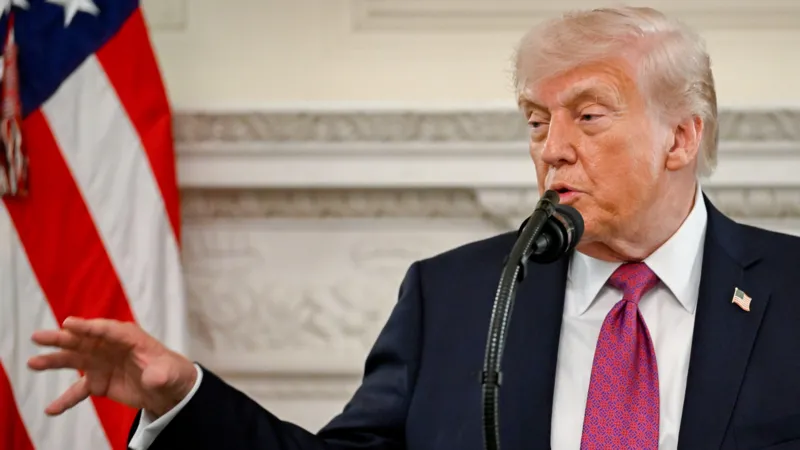
The relationship between Donald Trump and Jerome Powell has been one of the most strained in modern US economic history. Since returning to office, Trump has openly criticized Powell, mainly over the pace of interest rate cuts.
A Choice That Sparked Irony
What makes the situation striking is that Trump himself first nominated Powell as chair of the Federal Reserve in November 2017. At the time, he described Powell as a strong and reliable leader who could guide the central bank with stability.
Years later, Trump has taken a very different tone. He has questioned Powell’s ability and even expressed surprise that he was reappointed for another term under Joe Biden.
Rising Frustration Over Interest Rates
The core of the conflict lies in monetary policy. Trump has pushed for faster interest rate cuts to support economic growth. Meanwhile, the Federal Reserve has taken a cautious approach.
In 2025, the Fed reduced rates three times but chose to pause further cuts. Officials wanted to assess the impact of Trump’s trade tariffs on inflation before making more changes.
This careful stance did not sit well with Trump. Each time the Fed held rates steady, he publicly criticized Powell’s leadership and decisions.
Harsh Words and Public Attacks
Trump’s criticism has often been blunt and personal. He has used strong language to describe Powell, reflecting his frustration with the Fed’s independence and slower policy moves.
These repeated attacks highlight a deeper tension. US presidents rarely clash so openly with central bank leaders, as the Fed is designed to operate independently from political pressure.
Leadership Change Ahead
Now, as Powell prepares to step down, Trump has nominated Kevin Warsh to take over as chair. This move signals a potential shift in how the central bank may approach interest rates in the future.
The long-running dispute between Trump and Powell underscores the challenges of balancing political expectations with economic stability.