
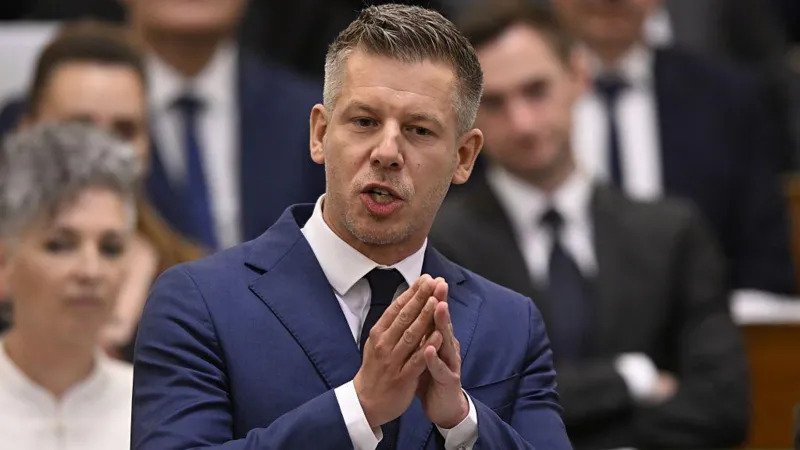
Constitutional change passed by large majority
Hungary’s parliament has approved a constitutional amendment that restricts any prime minister to a maximum of eight years in office. The decision follows a sweeping victory by Péter Magyar’s Tisza party, which secured a two thirds majority in the recent election and now has the power to change the country’s Basic Law.
The reform passed with 135 votes in favor and 50 against. It now awaits approval from President Tamás Sulyok before becoming law.
New rule targets long term political power
Under the new system, no individual who has served as prime minister since 1990 can hold the position for more than two terms, even if those terms are not consecutive. The move is designed to prevent long stretches of rule by a single leader.
The change directly affects future political planning, including Péter Magyar, who would now be limited to serving until 2034 if he remains in power.
Political reaction and criticism
Viktor Orbán, who led Hungary for 16 straight years before losing power in April, strongly criticized the reform. He said the opposition is trying to block political rivals rather than strengthen democracy.
Orbán, recently re elected as leader of his party Fidesz, argued that the new government should focus on current issues instead of long term political restrictions. His party voted against the amendment in parliament.
Balázs Orbán also accused the ruling party of trying to remove political competition through legal means.
Wider reforms and EU concerns
The same constitutional package also removes the requirement for an independent body that previously protected Hungary’s “constitutional identity.” This body was widely associated with Viktor Orbán’s earlier governance structure.
The amendment also ends the role of sovereignty focused institutions created in recent years to monitor foreign influence in domestic politics.
Hungary has faced repeated criticism from international observers over corruption and rule of law concerns. Transparency International has ranked it among the most corruption affected countries in the European Union for several years.
The European Commission recently agreed to release €16.4 billion in funding, tied to reforms aimed at improving transparency and reducing corruption risks.