The small store owner’s struggle to compete with shelf prices
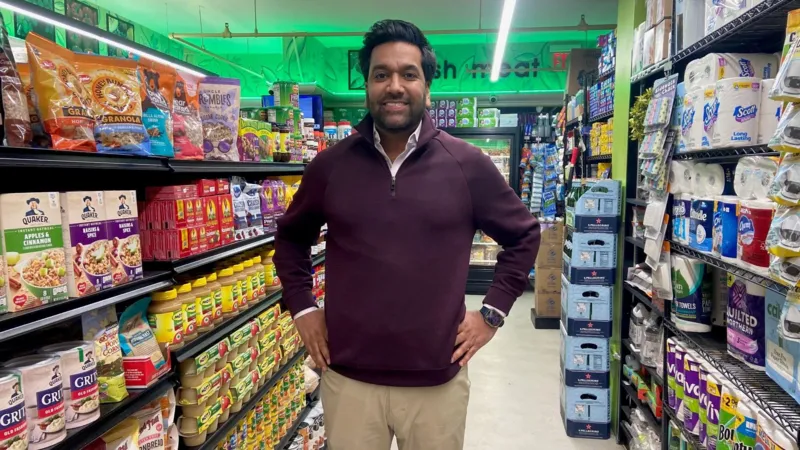
Alap Vora owns a small neighborhood store in Brooklyn. Alap Vora says that he paid a distributor about $5 for a Honey Bunches of Oats box. The same product is often sold by big supermarket chains for less than five dollars. This leaves him almost with no margin.
This price difference makes it difficult for independent retailers to survive, says he.
Larger chains have stronger supplier deals
Vora says that the major supermarket chains deal with many manufacturers directly. They can get a better price than small retailers because of these direct relationships.
Distributors are usually the ones who supply independent stores. Every step adds to the cost. Vora thinks this system is unfair to small businesses.
Local grocery stores under pressure
In the United States, there are over 21,000 independent supermarkets. They account for about a third of all grocery sales.
These stores are all under similar pressure to lower prices. These stores struggle to compete against large chains who can reduce prices and still protect their margins.
Senate hearings highlight business challenges
Vora addressed these concerns in an American Senate hearing held in May 2024. He spoke of distributors’ unclear pricing and constantly changing systems, which make it difficult to plan for small business.
He said some people travel long distances just to buy at big retailers like Costco or Trader Joe’s, because the prices there are cheaper.
Businesses are closing down because of the ongoing stress
Vora is the owner of Concord Market. It opened in 2009. Now, he works in a Manhattan office with supplies that were once in another store. He recently shut it down due to high costs.
He claims that the situation is no better since he testified before Congress. The pressure of operating costs and price increases continues to influence daily decisions as well as long-term survival.
The industry imbalance continues
According to him, the fundamental problem is the same. The scale of large chains and their supplier’s power is a benefit. Independent stores lose out on price competition and absorb more costs.