
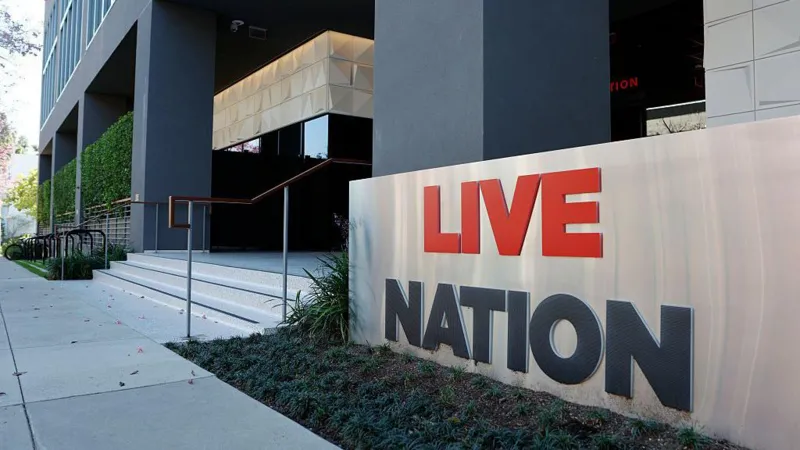
Federal jury ruled Live Nation (parent company of Ticketmaster) operated as an illegal monopoly.
In May 2024, the US Department of Justice filed a lawsuit. The lawsuit accused Live Nation for blocking competition and unfairly controlling the market. These practices, according to the lawsuit, led to increased ticket prices and poorer customer service.
These claims were accepted by the jury. The jury also determined that Ticketmaster charged customers an average $1.72 more per ticket than they should have. The amount of financial damage that the company could be liable for will depend on this figure.
A possible breakup between Live Nation and Ticketmaster
Live Nation may be forced to undergo major reforms by the court. Splitting Ticketmaster and Live Nation could be one possible solution. Selling parts of the company to restore fairness in competition is another option.
Arun Subramanian will make the final decision regarding these remedies.
The former Attorney General Merrick G. Garland, had earlier called for tough action including the breakup of the company. The regulators have shown how seriously they are taking the issue of restoring competitiveness in this industry.
Live Nation denies Monopoly Claims
Live Nation rejected the label of monopoly throughout the entire trial. It argued it was facing strong competition by other promoters and sports teams as well as venue operators.
The claim was that the market has a healthy and active competition. The jury, however, did not agree with this argument. They sided instead with the government.
There is no official announcement from the company after the ruling.
What this means for customers
Concertgoers could benefit greatly from this decision. If the regulators implement structural changes to ticket pricing, they may be more competitive. When buying tickets, customers may see improved service and more options.
The case also sets an example that other big companies can follow. This case shows that regulators will take action against any market dominance which harms the consumer.