The Nepal Tibet flood disaster has left more than 1,000 people dead and thousands missing after a devastating glacial collapse triggered powerful floods across the Himalayan region.
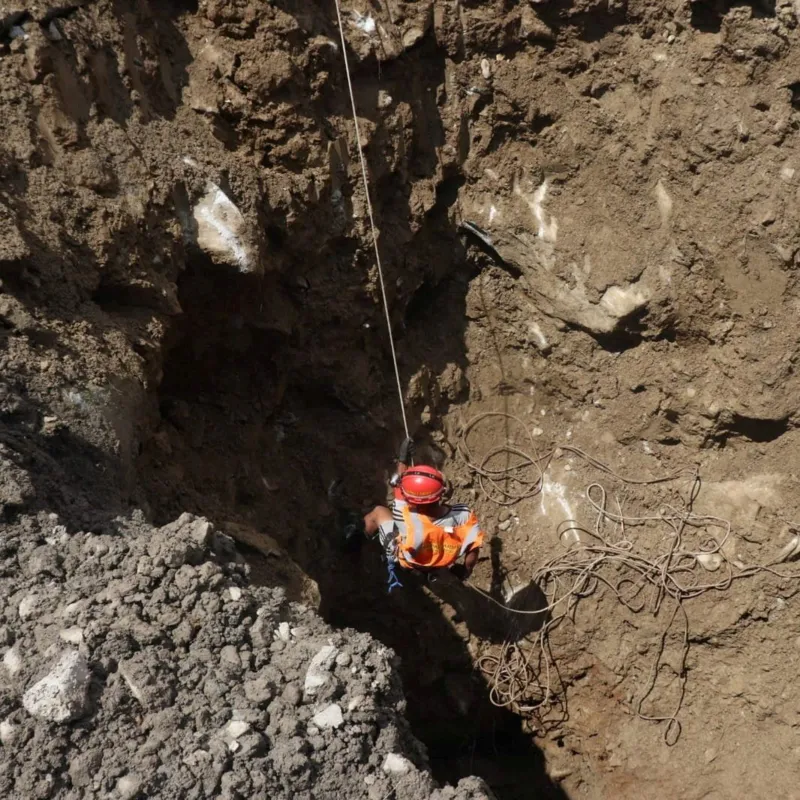
Rescue teams are still searching damaged hydropower sites, villages and mud filled tunnels. Hundreds of workers are feared trapped underground as rescuers use heavy machinery to clear debris.
Quick Facts
| Detail | Information |
|---|---|
| What happened | A glacial collapse triggered severe flooding across Nepal and Tibet. |
| Where | Northern Nepal, Tibet and areas along major Himalayan rivers. |
| When | August 26, 2026 |
| Deaths | More than 1,000 people have been reported dead across Nepal and Tibet. |
| Missing | More than 4,400 people remain missing. |
| Rescue effort | Rescue teams are searching damaged villages and hydropower tunnels. |
| Main concern | Workers may still be trapped inside flooded and debris filled tunnels. |
| Why it matters | The disaster has damaged homes, roads, bridges and hydropower infrastructure. |
Tibet Flood Devastates Mountain Communities
The Nepal Tibet flood disaster began after a glacial collapse sent huge amounts of ice, rock, mud and water into mountain river systems.
The sudden surge moved through the Bhote Koshi and Trishuli river areas. It destroyed homes, bridges, roads and hydropower facilities along its path.
Nepal reported 987 deaths and 3,916 missing people as of September 1. Chinese authorities reported 16 deaths and 546 missing people in Tibet. Together, the figures put the reported death toll at 1,003 and the number missing at 4,462.
The disaster has created a major challenge for rescue teams because many affected hydropower facilities sit in difficult mountain locations.
Workers Trapped Inside Hydropower Tunnels
One of the biggest rescue challenges involves workers who may still be inside underground tunnels.
At least 12 hydropower projects in Nepal were badly affected. Rescue officials believe hundreds of workers may be trapped in tunnels filled with mud, rocks and flood debris.
Rescue teams are using excavators, heavy machinery and other equipment to reach blocked tunnel entrances.
Engineers have also pumped air into some tunnels in an effort to create safer conditions for possible survivors. However, collapsed sections and huge amounts of debris continue to slow the operation.
Survivor Describes Escape From Flooded Tunnel
Workers at hydropower sites described terrifying moments when floodwater entered the tunnels.
One survivor said a sudden blast of air sent plywood and equipment flying. He then ran toward the tunnel entrance while rapidly rising water followed behind him.
He said he ran for around 20 minutes before reaching safety.
After escaping, he discovered that several members of his family had died in the disaster. Other workers also reported losing close relatives.
The personal accounts show how quickly the flood turned into a life threatening emergency.
Search and Rescue Operation
Nepalese authorities have deployed large numbers of security personnel and rescue workers to affected areas.
Teams are clearing roads, searching damaged tunnels and recovering bodies from areas covered by mud and debris.
Rescue operations have also received international support. Teams from China and India are assisting with the search, while foreign specialists have provided technical support.
The difficult terrain remains one of the biggest obstacles. Many roads and bridges were destroyed, making it difficult for rescue teams and equipment to reach remote locations.
Nepal Tibet Flood Leaves Massive Destruction
The disaster has caused widespread destruction across northern Nepal and parts of Tibet.
The United Nations Development Programme estimated that about 2.2 million tonnes of debris remain across the affected areas. It also reported that 11 hydropower stations and one solar plant had stopped operating, while several projects under construction suffered damage.
More than 10,000 people had been rescued in Nepal by September 1, according to the UNDP assessment.
Early Warning Concerns
Scientists have also raised questions about whether earlier warning systems could have reduced the number of deaths.
Reports indicate that satellite observations showed signs of instability around the glacier before the disaster. These included faster movement of the glacier surface, changes in meltwater and cracks in nearby rock.
Experts say the flood moved too quickly for people closest to the collapse to receive conventional warnings.
However, communities farther downstream may have had more time to react if a stronger warning system had been available.
Flood Disaster Deepens Humanitarian Crisis
The disaster has created a serious humanitarian crisis for Nepal and Tibet.
Thousands of families are searching for missing relatives. Many survivors have lost their homes and sources of income.
The damage to hydropower facilities could also affect Nepal’s electricity supply and construction sector. Nepal relies heavily on hydropower for electricity, making the damage to energy projects especially important.
The disaster also highlights the growing risks faced by communities living near glaciers and steep mountain valleys.
Nepal Tibet Rescue Efforts Continue Amid Crisis
The immediate priority is to locate missing workers and provide assistance to survivors. Authorities will also need to restore roads, bridges, electricity systems and communication networks.
Officials and scientists are also expected to examine early warning systems and disaster preparedness to reduce the risk of similar tragedies in the future.
Rescue workers continue to search damaged hydropower tunnels and remote communities. For families still waiting for news, the operation remains a race against time.