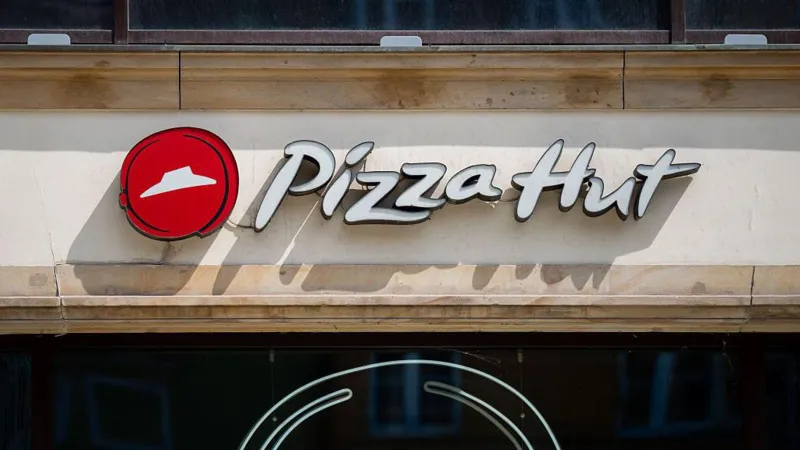
Pizza Hut Sold in Major $2.7 Billion Deal
Yum! Brands has agreed to sell Pizza Hut in a deal worth $2.7 billion. The company is dividing ownership between two buyers as it steps back from the struggling pizza chain.
Private equity firm LongRange Capital will take control of Pizza Hut operations outside mainland China for $1.5 billion. At the same time, Yum China Holdings will acquire the China business for $1.2 billion.
Why Yum! Brands Is Selling Pizza Hut
The company faced several years of falling performance in key markets, especially the United States. Pizza Hut has struggled to keep pace with rivals and shifting customer habits.
Competition from Domino’s, Papa John’s, and Little Caesars has increased sharply. These brands used heavy discounts and fast delivery options to attract cost conscious customers.
Smaller regional pizza chains also gained market share. Many of them adapted faster to online ordering and delivery platforms, which changed how people buy food.
Changing Market Pressure
Rising inflation also affected consumer spending. Many customers now prefer cheaper and faster meal options.
Third party delivery apps added more competition by making it easier for customers to choose from multiple restaurants at once. This reduced Pizza Hut’s visibility and weakened its long standing market position.
Company History and Background
Pizza Hut began in 1958 in Wichita, Kansas, founded by two brothers. It later became a global fast food brand known for casual dining and dine in restaurants.
PepsiCo acquired the company in 1977. In 1997, Pizza Hut became part of Yum! Brands, alongside KFC and Taco Bell.
Future Plans After the Sale
Yum! Brands will keep control of Pizza Hut operations in the United Kingdom. The company already stepped in after a UK franchise collapse and helped save most restaurants and jobs.
The business will now focus more on its core brands, including KFC and Taco Bell, as part of a wider restructuring strategy.
The sale to LongRange Capital and Yum China is expected to close in the third quarter of 2026, pending regulatory approval.