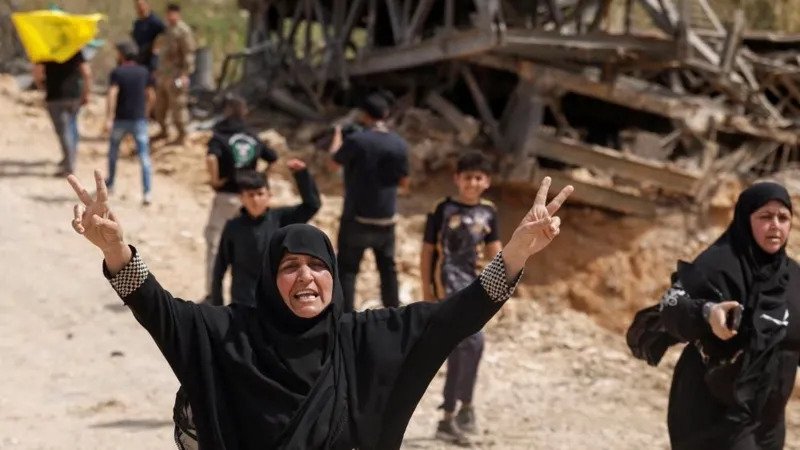
A temporary halt in fighting between Israel and Hezbollah has shifted the tone in regional politics. The 10-day ceasefire, announced Thursday night, is being seen as a strategic win for Iran.
Tehran had made it clear that progress in talks with the United States depended on a ceasefire in Lebanon. Now that condition has been met. In response, Iran has declared the Strait of Hormuz fully open, easing concerns over global oil supply routes.
Ceasefire Creates New Diplomatic Openings
Recent negotiations in Islamabad already showed that dialogue could continue even during conflict. However, both Iran and Pakistan insisted that Lebanon must be part of the discussion. With the ceasefire now in place, that demand has been fulfilled.
This development has opened the door for renewed diplomatic engagement. It also allows multiple countries to claim progress without making major concessions.
Mixed Reactions Inside Israel
Not everyone sees the ceasefire as a positive move. Many Israelis living near the northern border are frustrated. They believe Prime Minister Benjamin Netanyahu gave in to pressure instead of fully neutralizing Hezbollah’s threat.
Critics argue that the deal strengthens Iran’s influence in the region. They say it allows Tehran to shape events beyond its borders, especially in Lebanon.
All Sides Find Strategic Advantage
Despite the criticism, each party involved appears to gain something:
- The United States and Iran can both claim credit for reducing tensions
- Israel maintains a military presence in southern Lebanon
- Lebanon’s government finally enters direct talks with Israel
- Hezbollah avoids defeat and keeps its military strength intact
Hezbollah has agreed to follow the ceasefire for now. Still, its leadership has made it clear that disarmament is not on the table.
A senior figure stated that weapons will remain until key conditions are met. These include an Israeli withdrawal, the return of prisoners, the safe return of displaced civilians, and reconstruction efforts.
Uncertain Path Ahead
While the ceasefire lowers immediate tensions, it does not resolve the deeper conflict. The situation remains fragile. Any breakdown in conditions could quickly reverse progress.
For now, the pause in fighting and the reopening of Hormuz have created a rare window for diplomacy. Whether this leads to lasting stability depends on what happens next.