Tensions between the United States and Iran have increased once again after both sides exchanged military actions over the weekend. The latest developments come as efforts to secure a lasting ceasefire and peace agreement continue to face obstacles.
US Launches Strikes on Iranian Military Sites
The US military confirmed that it carried out what it described as self defence strikes against Iranian military targets. According to US Central Command, American forces targeted radar systems, drone control facilities, air defence equipment, and unmanned aircraft near Iran’s southern coast.
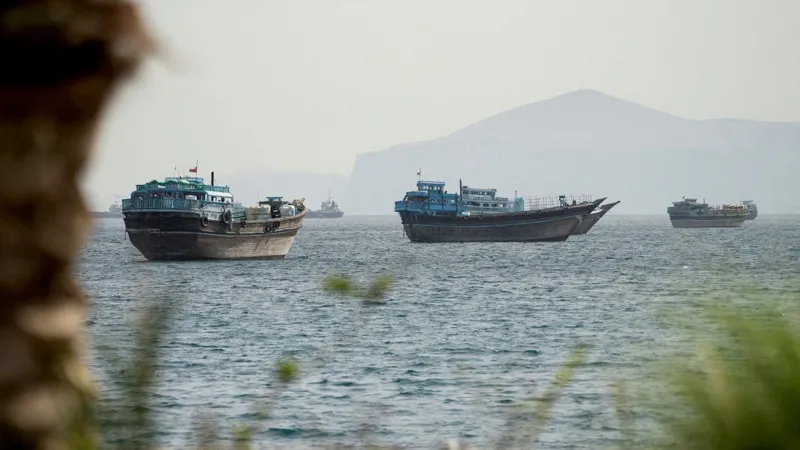
The strikes took place in the city of Goruk and on Qeshm Island, both located near the strategically important Strait of Hormuz. US officials stated that the targeted sites posed a direct threat to ships operating in regional waters.
American military officials also said that Iran had previously shot down a US drone flying over international waters. They described the operation as a necessary response to growing security threats.
Iran Responds With Attack on US Base
Iran’s Islamic Revolutionary Guard Corps announced that it had launched an attack against a military base used by US forces. Iranian officials claimed the base was involved in a recent strike against a communications tower located on Sirik Island in the Gulf region.
Iran warned that it would respond more forcefully if the United States carried out additional military actions. Officials in Tehran accused Washington of violating the ceasefire agreement through its latest strikes.
Missiles Intercepted Over Kuwait
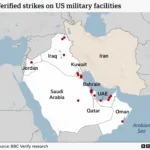
US Central Command reported that Iranian forces launched two ballistic missiles toward American personnel stationed in Kuwait. Air defence systems intercepted both missiles before they reached their targets.
Kuwaiti authorities also confirmed that their military detected and confronted hostile missiles and drones. Officials reported no casualties or damage from the incident.
The US military stated that no American personnel were harmed during the attacks.
Ceasefire Talks Face New Challenges
The latest military exchange comes at a critical time for ongoing negotiations aimed at ending months of conflict between the United States and Iran.
Reports suggest that discussions stalled after Washington proposed changes to a potential agreement. The reported revisions involve the future of the Strait of Hormuz and the handling of Iran’s highly enriched uranium stockpile.
Iranian officials criticized the US position, saying Washington continues to change its demands during negotiations. Tehran’s chief negotiator also reiterated that Iran would only accept a deal that fully protects the country’s rights and interests.
Strategic Importance of the Strait of Hormuz
The Strait of Hormuz remains one of the world’s most important shipping routes. Any disruption in the area can affect global energy markets and international trade.
With military activity continuing near the waterway, concerns are growing about regional stability and the potential impact on global oil supplies.
Outlook Remains Uncertain
Despite ongoing diplomatic efforts, recent military actions have raised fresh concerns about the future of US-Iran relations. While both sides continue discussions, the latest escalation highlights the fragile nature of the current ceasefire process.
Observers now closely watch whether negotiations can move forward or if further military confrontations will deepen tensions across the Middle East.