Growing Kidnappings Across Nigeria
Out of nowhere, Nigeria faces more mass abductions than before. Civilians find themselves grabbed by armed gangs wanting money – schools and villages hit hardest. Across different areas, the pattern repeats itself without slowing down. Forces trying to respond feel stretched thin under constant strain.
A vast nation unfolds, home to over two hundred fifty distinct cultures. In the north, Islam shapes daily life for most. Down south, Christianity holds stronger roots among residents there. Where these zones meet, beliefs blend in shared neighborhoods. Leaders note that attacks have harmed believers across religions alike.
What certain global figures claim about the conflict focusing on just one faith misses the bigger picture. Not limited to religion, the unrest pulls in multiple triggers along with a range of players.
Main Security Challenges Across the Country
Nigeria is facing several overlapping security problems at the same time:
Criminal kidnapping networks in rural areas
Militant insurgency in the northeast region
Land related clashes in central farming zones
Separatist tensions in parts of the southeast
Out on the edges, response times lag because military and law enforcement are pulled thin by overlapping dangers.
Bandit Kidnapping Groups
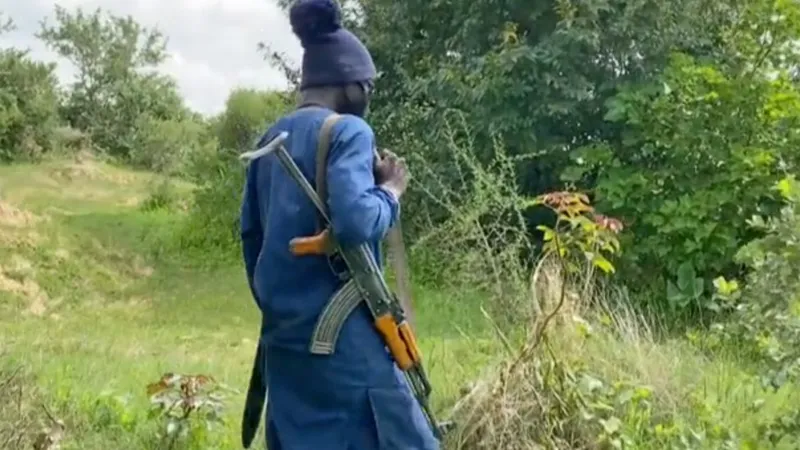
Out here, danger often moves in packs – armed gangs that people call bandits. Not all grew up herding animals, yet a good number trace roots to those grazing lands. Life on the move used to mean tending livestock; now it means something else entirely. What once fed families has given way to raids and roadblocks instead.
Now it’s kidnappings for cash, not tending animals. Their growth took off because guns are everywhere, easy to get.
Money moves these groups, not politics or faith. What keeps them going is cash from kidnappings instead of ideals. Rural areas pay up under threat, filling their coffers. Theft fuels their operations more than any doctrine ever could.
How the Kidnapping Networks Operate
Out on the roads, bandits favor riding together in big packs. Fast bikes let them strike without warning. Because they shift fast, getting away happens before help shows up.
Leadership isn’t organized at the top. Separate factions run on their own, usually following people from nearby areas instead of distant orders. Rivalry splits some – clashes erupt when power or land becomes a question.
Some top figures got named in public by officials, while rewards now exist for others. These groups, labeled terrorists by the state, face official designation under that term.
Effects on Nearby Towns
Attacks on villages and schools happen often at the hands of these fighters. Where they hold power, locals might face demands for money – some get forced to pay what feels like a hidden fee just to stay safe.
Out in the open, young new members now post pictures – guns in hand, riding bikes, stacks of cash nearby. Because of that, some worry these images make joining seem ordinary, even acceptable.
Conclusion
Out here in Nigeria, trouble doesn’t come from just one place – it spreads through a mix of armed bands chasing their own goals. Not only do rebel fighters play a part, but roaming outlaw crews add pressure too. Because of this tangled mess, ordinary people feel unsafe no matter where they are. Trouble shows up in villages, towns, farmlands – nowhere escapes it.