A New Way to Think About Intelligence
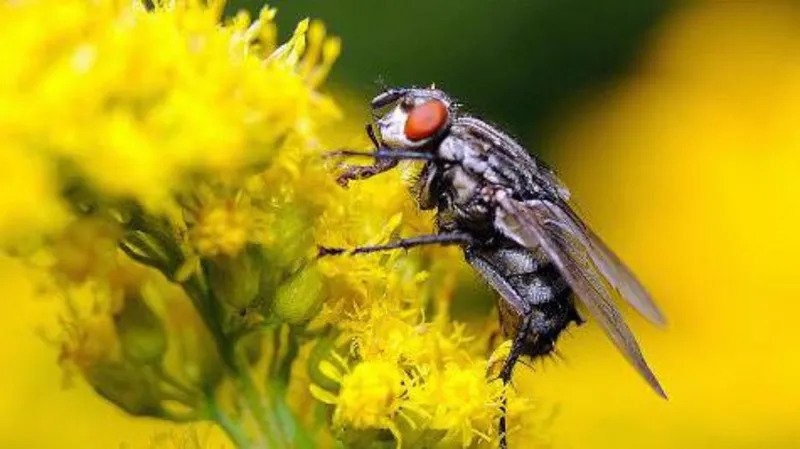
Researchers have uncovered a surprising idea. Tiny insect brains may hold the key to faster and smarter artificial intelligence. Scientists studying fruit flies and house flies found that these insects do not just observe the world. They actively move to improve what they see.
This discovery could reshape how AI systems work. It may help improve self-driving cars, robotics, and other technologies that depend on real-time decisions.
Movement Makes Vision Faster
Insects rely on quick, sharp movements called saccades. These are rapid shifts in their body or eyes. Instead of passively watching their surroundings, insects constantly adjust their position.
These small movements allow their brains to capture clearer and more useful visual data. As a result, they react with impressive speed. This ability helps them avoid danger and fly with high precision.
Scientists describe this process as a “turbo boost” for the brain. When insects make sudden turns, their brain activity increases. This allows them to focus on fast-moving and important details.
Smarter Systems with Less Energy
Traditional AI systems process data in a fixed way. They rely heavily on computing power, which can slow them down and consume energy.
Insects follow a different approach. Their movement works together with their vision and brain activity. This creates a flexible system that adapts in real time.
Experts believe this method could improve AI efficiency. Machines could use motion to gather better information instead of relying only on heavy computation. This could lead to faster and more energy-efficient systems.
Real-World Impact on AI Technology
The findings could influence several industries. Autonomous vehicles could react faster to sudden changes on the road. Robots could move more naturally and respond better to their surroundings.
This approach may also reduce delays in decision-making. Instead of waiting for full data processing, systems could adjust instantly based on movement and input.
Rethinking How Brains Work
The research challenges old ideas about how brains process information. Earlier models assumed that signals travel through fixed pathways with delays.
Now, scientists suggest a more dynamic system. Vision is not just about what is seen. It depends on how the body moves and how the brain responds at the same time.
This new perspective shows that even the smallest brains can solve complex problems quickly.
A Step Toward the Future
The study highlights how nature can inspire technology. Insects may be small, but their systems are highly efficient.
By learning from them, developers could build AI that is faster, smarter, and more adaptable. This could mark an important step in the future of intelligent machines.