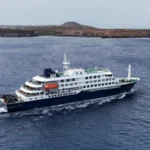
Passengers from the cruise ship MV Hondius are now returning to their home countries after a hantavirus outbreak onboard caused serious health concerns. Health officials asked passengers and crew members to isolate and monitor their symptoms as authorities continue tracing contacts linked to the ship.
The vessel started its journey from Argentina about a month ago and later reported multiple infections connected to the Andes strain of hantavirus. Three people died either during the trip or shortly after leaving the ship. Medical teams also evacuated four passengers for urgent treatment.
Officials confirmed that some passengers had already travelled on earlier flights before the outbreak became widely known. As a result, health authorities are tracing individuals who may have come into contact with infected passengers.
WHO Says Outbreak Is Not a Pandemic Threat
Health experts say the situation does not pose the same level of danger as Covid 19 or influenza. According to the World Health Organization, the Andes strain spreads very differently and does not easily infect large groups of people.
Dr Maria Van Kerkhove from the WHO explained that the outbreak should not trigger panic because hantavirus spreads through close and prolonged contact. Experts say the infection does not spread through normal daily activities such as walking in public places, shopping, or attending school.
The World Health Organization has identified nine cases linked to the cruise ship, including seven confirmed infections through laboratory testing.
How Hantavirus Spreads
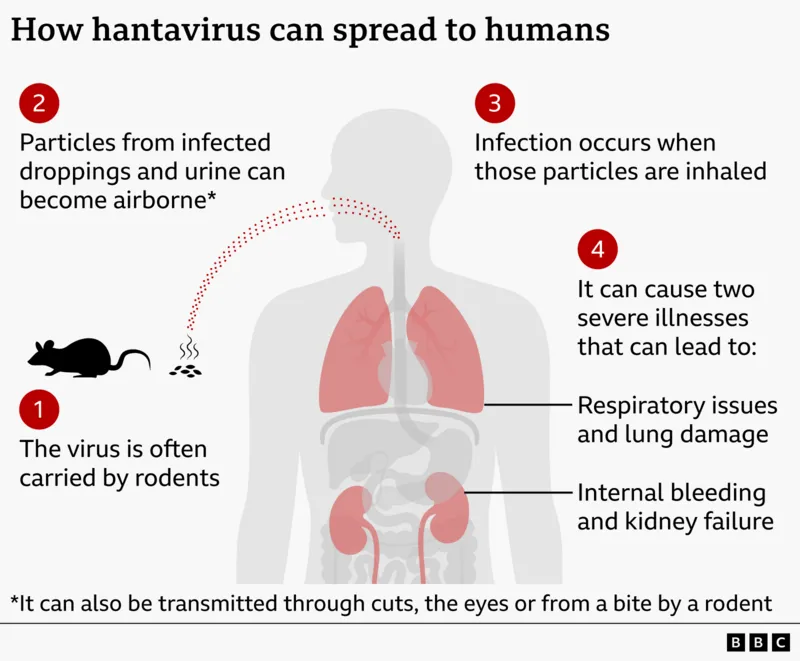
Hantavirus usually spreads through contact with infected rodents or contaminated environments. People can become infected after breathing in virus particles from rodent urine, saliva, or droppings.
The MV Hondius cruise visited remote wildlife regions during its journey. Experts believe a passenger may have encountered the virus before boarding or while exploring those areas.
Researchers also suspect limited human to human transmission onboard. Cruise ships often create close living conditions where passengers share cabins, dining halls, and indoor spaces for long periods. These conditions may increase the chance of infections spreading between close contacts.
Investigation Continues After Three Deaths
One of the victims was a Dutch woman who left the ship at St Helena Island on 24 April. Reports say she shared a cabin with her husband, who died earlier during the voyage. Health officials are still investigating whether his death was directly linked to hantavirus.
Authorities continue monitoring passengers and crew members while encouraging isolation measures to reduce further risk. Some travelers may need to remain in self isolation for more than a month.
Public Risk Remains Low
Health agencies continue to stress that the risk to the wider public remains low. Experts say the virus does not spread easily in outdoor environments or through casual social interaction.
Officials are still working to understand how the outbreak started and whether additional infections could appear in the coming weeks. Despite the concern surrounding the incident, experts believe the outbreak remains contained.