
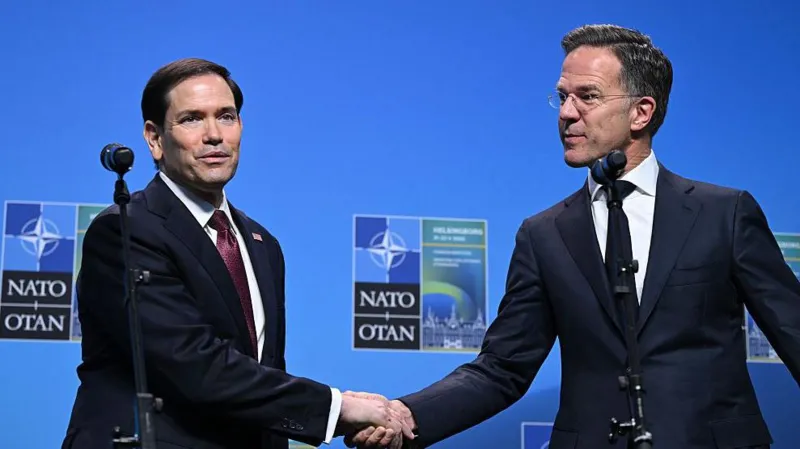
US troop moves raise questions across Europe
US Secretary of State Marco Rubio has moved to calm concerns among allies after several shifting decisions on US troop deployments in Europe created confusion inside the alliance.
The changes followed remarks by US President Donald Trump, who said the United States would send an additional 5,000 troops to Poland. This came shortly after a planned deployment of 4,000 troops to Poland was cancelled.
At the same time, Washington also announced plans to reduce troop levels in Germany, which added to uncertainty among European allies.
NATO allies react to mixed signals
The series of announcements came as defence ministers from NATO met in Sweden. Officials described the situation as unclear and difficult to follow.
Swedish Foreign Minister Maria Malmer Stenergard said the shifting updates were hard for allies to interpret, especially given how quickly the decisions changed.
Rubio says troop levels are under review
Rubio said the United States regularly reviews its military presence abroad. He explained that troop adjustments are part of broader global defence planning.
According to Rubio, US forces are also active in the Middle East due to rising tensions involving Iran and related regional conflicts.
Poland deployment announcement adds uncertainty
The latest confusion grew after Trump announced the new troop deployment to Poland while NATO talks were still underway in Sweden.
Trump linked the decision to his relationship with Polish President Karol Nawrocki, a long time supporter of his policies.
The US Department of Defense had earlier paused the planned deployment of 4,000 troops to Poland, without clear explanation.
Germany withdrawal decision adds to tensions
Earlier in the month, Washington also confirmed plans to withdraw 5,000 troops from Germany. The decision followed political disagreements between Trump and German Chancellor Friedrich Merz over the conflict involving Iran.
NATO response and coordination efforts
Despite the confusion, Rubio said the United States remains committed to NATO coordination. He stressed that changes in troop placement are being managed alongside allied governments.