Key decision linked to US military supply pressure
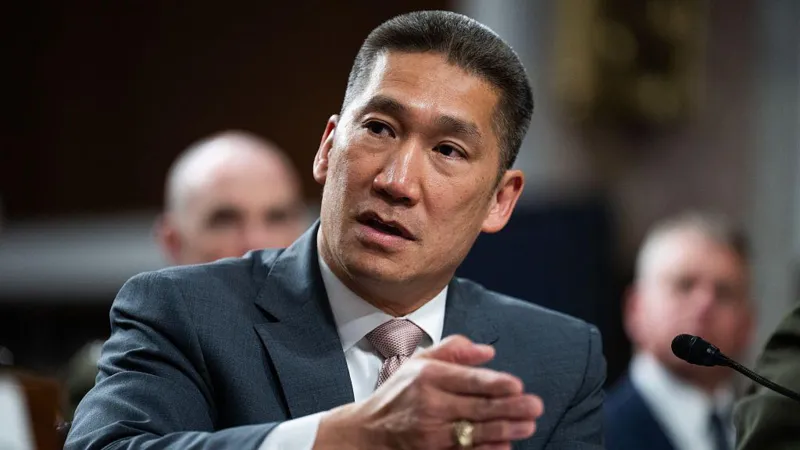
The United States has delayed a $14 billion arms deal with Taiwan. The move comes as Washington reviews its weapons stockpiles during ongoing military operations related to Iran. US Navy acting secretary Hung Cao said the pause is meant to ensure enough munitions remain available for current needs.
He referred to the operation as “Epic Fury,” a joint US and Israel mission involving Iran. According to him, the US still has sufficient weapons, but is temporarily holding some foreign military sales.
Taiwan says it has not been informed
Taiwan’s presidential office said it has not received any official update about changes to the deal. The government in Taipei continues to treat US arms purchases as important for regional stability and defense readiness.
Deal still awaiting approval
The proposed package has been under review for several months. It includes air defense systems such as PAC 3 missiles made by Lockheed Martin and other surface to air defense equipment.
Former President Donald Trump has not given final approval yet. He recently described the deal as a “negotiating tool” in discussions with China and said a decision would come soon.
US China Taiwan tensions remain high
The timing of the delay has raised concern because of ongoing tensions between Washington and Beijing. China considers Taiwan part of its territory and strongly opposes US arms sales to the island.
During recent talks with Chinese President Xi Jinping, Trump reportedly discussed Taiwan related defense issues. US officials later confirmed that arms sales were part of those discussions, which is unusual given past US commitments not to consult Beijing on Taiwan weapons decisions.
Beijing reaction and regional impact
China has previously condemned similar arms packages. A major $11 billion US weapons sale to Taiwan last year triggered strong opposition from Beijing, which warned of rising instability in the Taiwan Strait.
Taiwan’s leadership continues to argue that US support and defense sales play a key role in maintaining balance and preventing conflict in the region.