Bear captured in Utsunomiya after multiple sightings
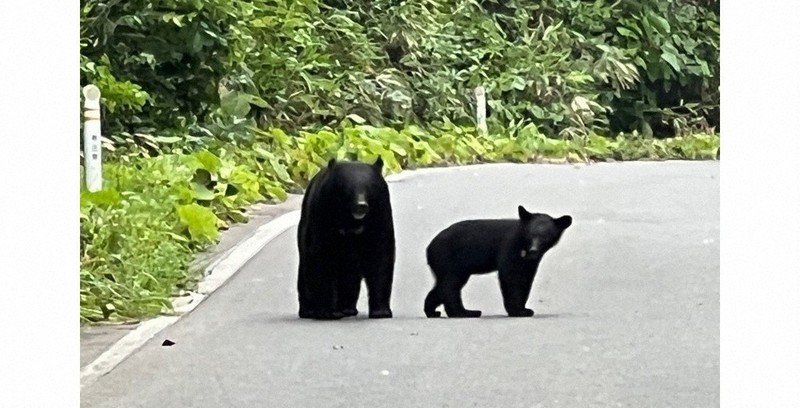
Japanese authorities have sedated and captured a black bear after several days of repeated sightings in Utsunomiya, a city near Tokyo. A veterinarian attempted to use a tranquiliser gun, but the first shot missed. Two more darts were fired within the next 15 minutes before the animal was finally sedated.
Police confirmed the capture took about one hour and 40 minutes after tracking the bear roughly 2.5 km south of the city’s main railway station. Officials estimate the bear weighed around 100 kg.
Residents reported seeing the animal more than 20 times since Saturday. It was spotted near homes, schools, parks, and even swimming in a river. It also climbed fences and moved through residential backyards.
Schools closed after safety concerns
The situation caused major disruption in the city. Authorities closed all 94 public primary and middle schools as a precaution. Officials also warned residents to keep doors and windows locked due to the possibility of more than one bear in the area.
Another bear still on the run in Fukushima
In a separate case, another bear injured four people in a residential area of Fukushima city. Despite multiple attempts, officials have not been able to capture it.
The bear broke into an electronics factory and reportedly escaped by opening a window, surprising police who had surrounded the building. The city’s mayor said the animal was seen drinking water from a tap and may have turned it on itself, describing it as highly intelligent. Authorities are now using drones to search for it.
Rising bear encounters across Japan
Japan has seen a sharp rise in bear encounters in recent years. The environment ministry reported 238 bear attack victims in 2025, including 13 deaths, marking record levels.
Experts link this increase to several factors. Poor harvests of natural food sources such as acorns and beechnuts have pushed bears closer to residential areas. At the same time, rural depopulation has reduced human presence in mountain regions, making it easier for bears to move into towns.
Changes in climate may also be affecting hibernation patterns, keeping bears active for longer periods each year.
Government response and new measures
The Japanese government has created a special task force to address the rising number of incidents. Local authorities are also adopting new technology and response systems to reduce risk and prevent further casualties.