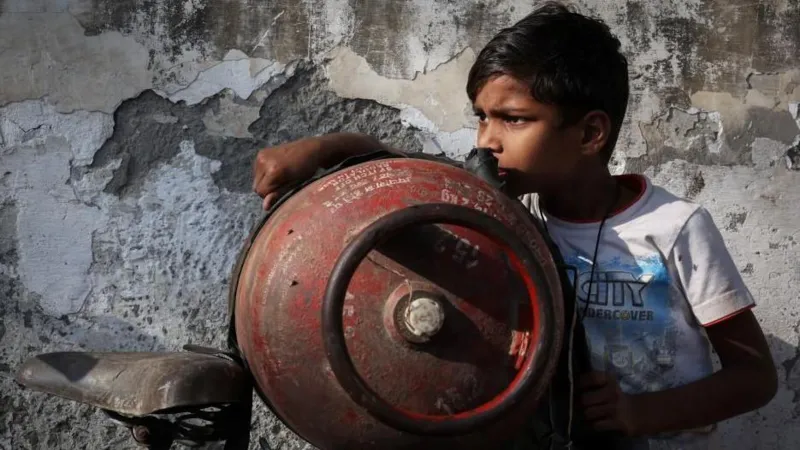
The global energy market has been shaken by a major disruption to oil and gas traffic through the Strait of Hormuz. The narrow route is normally used to transport a significant portion of oil around the globe. The recent conflict in the Middle East reduced shipping activities, which led to higher prices and increased supply.
Asia is the most affected, as the majority of oil and gas that passes through this route flows to Asia. The governments of the entire region are now struggling to control shortages, increasing costs and public pressure.
The rising cost of fuel affects daily life in Asia
The price of fuel has increased in the home, transportation systems and industry. Many governments have taken strict measures to reduce the use of fuel. Some of these include policies for remote work, shorter weeks and the temporary closing of public and school offices.
China also has adjusted its fuel price policies, as the citizens are experiencing noticeable cost increases despite large reserves.
Philippines declares emergency as transport workers strike
After fuel instability concerns increased, the Philippines declared an emergency. Transport workers are under immediate financial stress.
Jeepney drivers report steep income drops. The average income of many drivers has dropped dramatically, and daily costs are continuing to increase. Fuel costs are a major problem for farmers and fishermen. Some farmers are unable to plant due to the high costs.
Many workers claim that the government’s financial assistance does not cover their basic needs.
Thailand promotes energy saving in daily routines
Thailand responded by implementing public energy-saving measures. The government asked employees to adopt flexible working arrangements and reduce their air-conditioning use.
Presenters would even adjust their clothing in order to emphasize the issue. The authorities say that the supply is still sufficient, but they urge people to cut back on their consumption.
Sri Lanka manages fuel use after economic strain
Sri Lanka is still trying to recover from its financial crisis and has introduced weekly holidays as well as rationing of fuel.
Many people complain about long queues in petrol stations. While waiting in line for gas, many workers miss valuable work time. Some workers say that they are unable to earn a steady income due to the limited availability of fuel.
Myanmar limits vehicle use amid ongoing conflict
Myanmar has introduced alternate-day travel regulations for private vehicles in order to reduce its fuel consumption.
The daily routine has changed dramatically. Travel schedules are now a factor in social gatherings. The scarcity of fuel is also a concern for many residents.
India faces industrial and household pressure
India is experiencing major disruptions due to its dependence on imported oil and gas. The affected shipping route is used to import a large amount of liquefied petrol gas.
Due to shortages, several industries have slowed down or closed their operations. In some areas, the production of ceramic and tiles stopped for several weeks. This affected hundreds of thousands workers.
Restaurants in large cities reduced their menus when cooking fuel was harder to obtain. As households struggled to obtain gas cylinders, long queues developed.