Gulf Leaders Reassess Relationship with Iran
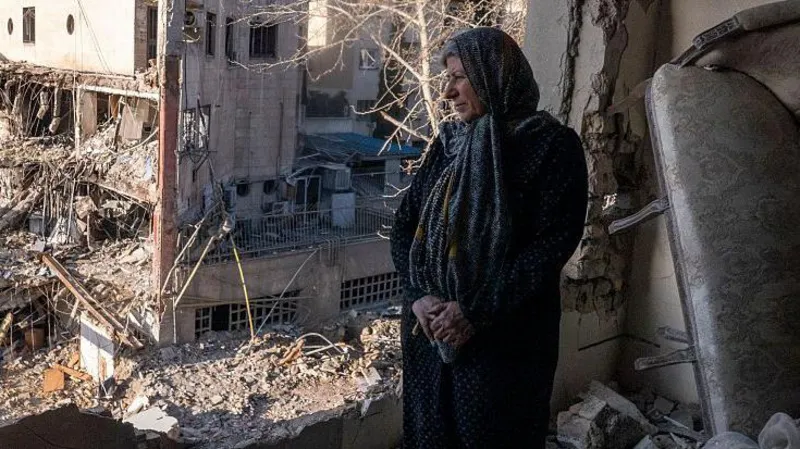
The recent Iranian attacks against their infrastructure have not quelled the anger of most Arab Gulf leaders. The leaders of the Arab Gulf view Iran’s attacks on their infrastructure as reckless, and they are now focusing more attention on how to reevaluate their relationship with Tehran. A senior Gulf official stated that the damage caused by the attacks may take many decades to fix.
Pakistan has made an offer to deescalate tensions. It has remained close with US President Donald Trump. Pakistan proposed to host high-level discussions as early as this weekend.
The preliminary stage of the talks is still ongoing
Ali Vaez, of the International Crisis Group, confirmed that formal negotiations were not underway. Washington and Tehran are exchanging messages to jump start the ceasefire talks, but Vaez doubts that they’ve created enough ground for substantive discussions.
Regional stakes, rising demand and regional concerns
Arab Gulf States are also reaffirming their position. Now, they insist on addressing Iran’s missiles and its control of the Strait of Hormuz in all discussions. Diplomatic progress is now more difficult due to the growing mistrust in the region towards Iran.
The war could be seen by Trump as a means to exert pressure on Iran. Meanwhile, Tehran feels it has improved its position in negotiations, especially with regard to control of the Strait of Hormuz – a crucial global oil route.
The countdown is on to an important deadline
Trump has delayed his threat to attack Iran’s nuclear power plants by five days. This will be the focus of Friday, when markets are closed. The focus is now on whether or not these initial diplomatic efforts gain traction, or if they remain stagnant amid increasing tensions.