Key concerns over global shortages
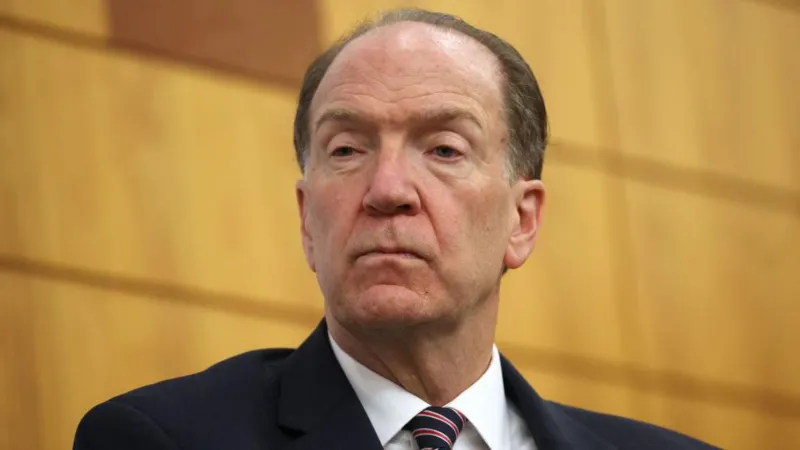
Former World Bank president David Malpass has called on China to reduce its large reserves of food and fertiliser to help ease growing pressure on global supply chains. He made the remarks ahead of a high level meeting between Donald Trump and Xi Jinping in Beijing.
Malpass said China holds the largest global stock of food and fertiliser materials and argued that easing these reserves could help stabilise markets during a period of disruption caused by conflict affecting key shipping routes.
Fertiliser supply disruptions deepen crisis
Global fertiliser supplies have been under strain as transport routes face interruptions linked to conflict in the Middle East. Experts warn that reduced availability of fertiliser could significantly lower agricultural output worldwide.
Industry leaders estimate that the disruption could threaten billions of meals each week and place the greatest burden on low income countries that depend heavily on imported food and fertiliser.
One major fertiliser industry executive has warned that lower usage could reduce crop yields and trigger competition among countries for limited food supplies.
China’s export limits under scrutiny
China has restricted exports of several fertiliser types since March, stating that it aims to secure domestic supply. These controls add to earlier limits introduced over recent years.
The country plays a major role in global fertiliser production, contributing around a quarter of worldwide output. Its exports previously generated more than thirteen billion dollars annually.
Malpass criticised Beijing for continuing to present itself as a developing economy despite its position as the world second largest economy. He suggested that China should reconsider its status in global institutions such as the World Trade Organization and international financial bodies.
China responds to criticism
A spokesperson for the Chinese embassy in Washington said China remains committed to supporting stability in global food and fertiliser markets. The statement added that the causes of current supply disruptions should not be attributed solely to China.
Global implications ahead of diplomatic talks
The comments come as international leaders prepare for discussions aimed at addressing trade tensions, supply chain instability, and energy security concerns. Fertiliser availability and food security are expected to be key topics during the meeting.