US Charges Former Cuban Leader
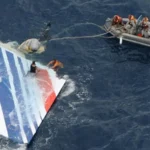
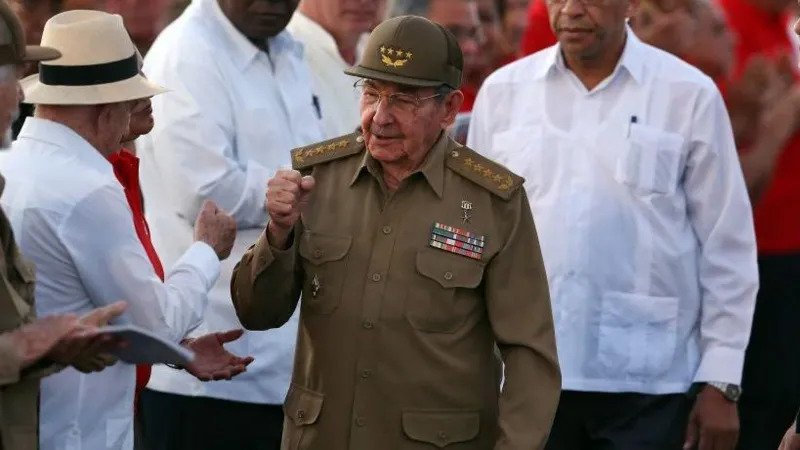
The United States has charged former Cuban President Raúl Castro in connection with the 1996 downing of two aircraft linked to the Cuban American group Brothers to the Rescue. The incident killed four people and caused major tensions between Washington and Havana.
According to US prosecutors, Castro and five others were involved in a conspiracy that led to the destruction of the planes traveling between Cuba and Florida. The charges include conspiracy to kill American citizens and murder offenses that could result in life imprisonment or the death penalty.
At the time of the incident, Castro served as Cuba’s defense chief and commanded the country’s armed forces. He later became president and stepped down in 2018.
China Defends Cuba and Criticizes Washington
China strongly reacted to the American charges and called on the US to stop using pressure tactics against Cuba. Chinese Foreign Ministry spokesperson Guo Jiakun said Beijing firmly supports Cuba’s sovereignty and opposes foreign interference.
Guo stated that the United States should stop using sanctions, legal actions, and threats to pressure Havana. He also warned Washington against using forceful rhetoric toward the Caribbean nation.
China has remained one of Cuba’s closest international allies for years. Beijing continues to oppose American sanctions and economic restrictions imposed on the communist island.
Cuba Calls Charges Politically Motivated
Cuban President Miguel Díaz-Canel rejected the charges against Castro and described the case as politically motivated. Cuban officials argued that the accusations have no legal basis and accused Washington of increasing tensions for political purposes.
The plane incident from 1996 remains one of the most controversial moments in US Cuba relations. The aircraft belonged to Brothers to the Rescue, a group known for supporting Cuban exiles and opposing the Cuban government.
The case continues to spark strong reactions among Cuban Americans living in the United States.
Trump Administration Expands Sanctions on Cuba
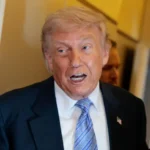
US President Donald Trump has recently increased pressure on Cuba through new sanctions and economic restrictions. The White House imposed measures targeting Cuba’s energy, defense, security, and financial sectors.
The restrictions have added to Cuba’s economic struggles, including fuel shortages, electricity blackouts, and rising food prices across the country.
Earlier this month, Trump signed an executive order sanctioning Cuban officials accused of corruption, human rights abuses, and misuse of public resources.
Trump has also suggested that Cuba’s communist government is becoming weaker as Washington tightens pressure on Havana.