Japan has approved new changes to its imperial succession system in an effort to strengthen the future of the royal family. While the updated law expands the number of people who can remain or return to the imperial family, it does not remove the long standing ban on female emperors.
The new legislation passed the upper house of parliament after receiving approval from the lower house earlier. It will now complete the remaining legal steps before becoming official.
New Rules Aim to Support the Imperial Family
The latest changes are designed to address concerns about the shrinking size of Japan’s imperial family. Under the new law, male relatives from former imperial branches who are at least 15 years old can be adopted into the royal family.
These former branches lost their royal status after the Second World War. Their return could help secure the future of the monarchy by increasing the number of eligible male family members.
In another important change, female members of the imperial family will no longer lose their royal status if they marry commoners. In the past, royal women had to leave the imperial family after marriage, reducing the number of working royals available for official duties.
Princess Aiko Still Cannot Inherit the Throne
Although the new law expands the royal family, it does not change Japan’s succession rules. Women are still not allowed to inherit the Chrysanthemum Throne.
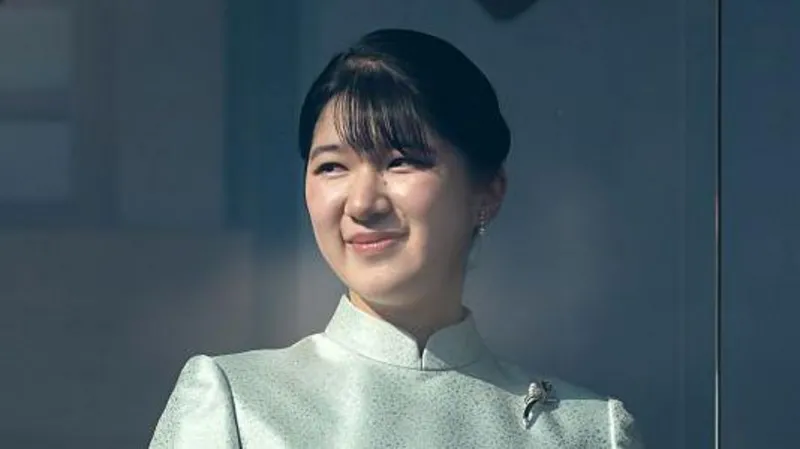
As a result, Princess Aiko, the only child of Emperor Naruhito, remains ineligible to become Japan’s next monarch despite strong public support for allowing female emperors.
Current Line of Succession
The current line of succession remains limited. Crown Prince Fumihito, the emperor’s younger brother, is first in line to the throne. His son, Prince Hisahito, is second. The emperor’s elderly uncle is the third and final eligible successor under the existing law.
If Prince Hisahito does not have a son in the future, the line of succession could face serious challenges.
A Historic Monarchy Faces Modern Challenges
Japan is home to the world’s oldest continuous hereditary monarchy, with a history stretching back more than 2,600 years.
The debate over allowing female emperors, however, remains unresolved and is expected to continue in the years ahead.