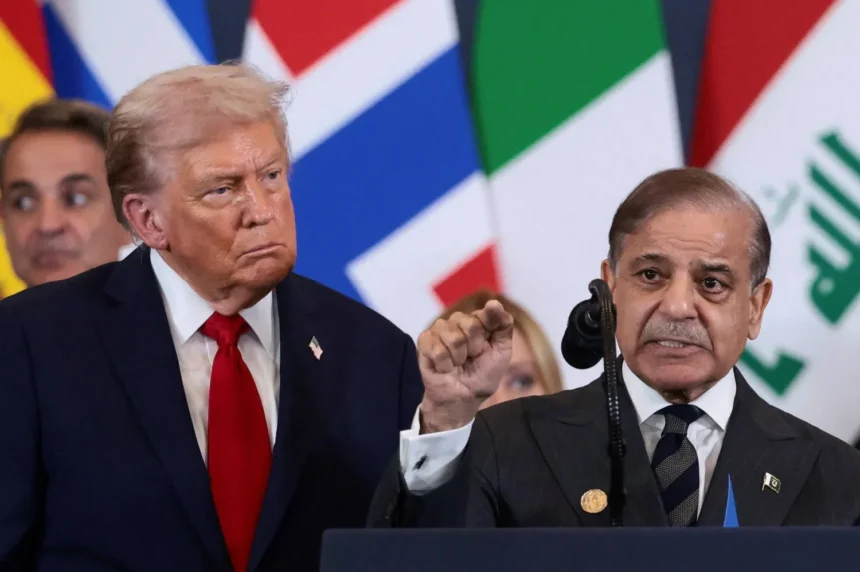
Pakistan is continuing diplomatic efforts to help reduce tensions between Iran and the United States as fighting puts the Middle East under renewed pressure.
The Strait of Hormuz remains a major concern. Recent security incidents involving oil tankers have increased fears about energy supplies and international shipping. Pakistan says it will continue supporting dialogue and efforts to restore stability.
Quick Fact
| Detail | Information |
|---|---|
| What happened | Regional countries are seeking to reduce tensions between Iran and the United States. |
| Main location | Iran, the Gulf region and the Strait of Hormuz |
| Date | September 2, 2026 |
| Key countries | Pakistan, Iran, United States, Qatar and Oman |
| Pakistan's role | Supporting dialogue and diplomatic efforts |
| Main concern | Security of the Strait of Hormuz and regional stability |
| Why it matters | The strait is a major route for global oil and gas shipments. |
Pakistan Continues Diplomatic Efforts With Iran
Pakistan says it remains involved in diplomatic efforts to resolve the crisis between Iran and the United States.
Prime Minister Shehbaz Sharif recently met Iranian President Masoud Pezeshkian on the sidelines of the Shanghai Cooperation Organisation summit. The two leaders discussed the regional situation.
Pakistan repeated its support for restraint, dialogue and diplomacy. Islamabad also pointed to the Islamabad Memorandum of Understanding as a possible framework for further negotiations.
Pakistan’s military leadership has also played a role in these efforts. Field Marshal Syed Asim Munir visited Tehran in August. Pakistan said the visit focused on reducing tensions and finding a negotiated solution.
The visit came as regional countries, including Qatar and Oman, increased their diplomatic contacts with Iran.
Qatar Pushes for De Escalation
Qatar has also stepped up diplomatic efforts.
Qatari Prime Minister Sheikh Mohammed bin Abdulrahman Al Thani held talks with Iranian officials. Discussions focused on reducing escalation and improving maritime security around the Strait of Hormuz.
Qatar and Oman have also been involved in efforts aimed at creating safer conditions for commercial shipping.
Tanker Incident Raises Shipping Concerns
A new security incident involving an oil tanker has added to concerns about shipping in the Strait of Hormuz.
Pakistan’s National Hydrographic Office listed recent security incidents involving oil tankers in the strait. The warnings show that commercial vessels continue to face risks in the area.
Shipping activity has continued despite the conflict. However, operators face threats from missiles, drones, mines and other military activity.
Iran Rejects Increased U.S. Pressure
Iran has rejected further economic pressure from Washington as tensions remain high.
The latest military escalation has also increased pressure on regional governments. Several Gulf states are concerned about the security of their territory, energy infrastructure and shipping routes.
The United States and Iran have exchanged attacks during the latest escalation. The fighting has raised fresh concerns about a wider regional conflict.
Syria Faces New Political Changes
Developments are also unfolding in Syria.
The former commander of the Kurdish led Syrian Democratic Forces, Mazloum Abdi, has taken an advisory role under Syria’s interim government after the group agreed to integrate with the Syrian army.
The move could influence relations between Damascus and Kurdish communities in northeastern Syria.
Gaza and Lebanon Remain Under Pressure
Violence has also continued in Gaza and Lebanon.
Israeli strikes in Gaza reportedly killed several people and wounded others. Israeli officials said their attacks targeted Hamas fighters.
In southern Lebanon, Israeli strikes killed one woman and wounded several others, according to Lebanese state media. The strikes followed accusations involving Hezbollah drone attacks.
These developments show that the wider regional crisis extends beyond the Iran and U.S. confrontation.
The Strait of Hormuz is a critical route for international energy trade.
A prolonged disruption could reduce oil and gas shipments. It could also increase transport costs and put pressure on fuel prices.
That is why Pakistan, Qatar, Oman and other countries continue to call for dialogue and safer maritime passage.
Pakistan’s Foreign Ministry has repeatedly stressed the importance of reopening the strait and preventing the conflict from spreading further.
Pakistan Seeks Dialogue Amid Middle East Crisis
The next stage will depend on whether Iran and the United States return to negotiations.
The security situation around the Strait of Hormuz will also remain important. Any further attacks on commercial vessels could increase pressure on energy markets and international shipping.
Islamabad is working alongside regional countries to support dialogue and reduce tensions. The security of the Strait of Hormuz remains a major concern because disruptions could affect global energy supplies and trade.
For now, diplomacy remains one of the main paths available to prevent the crisis from becoming even wider.