The United States and Venezuela have reached a major oil agreement covering 17 Venezuelan oil fields. The deal gives a US led company long term rights to develop the fields and could bring major investment into Venezuela’s struggling oil industry.
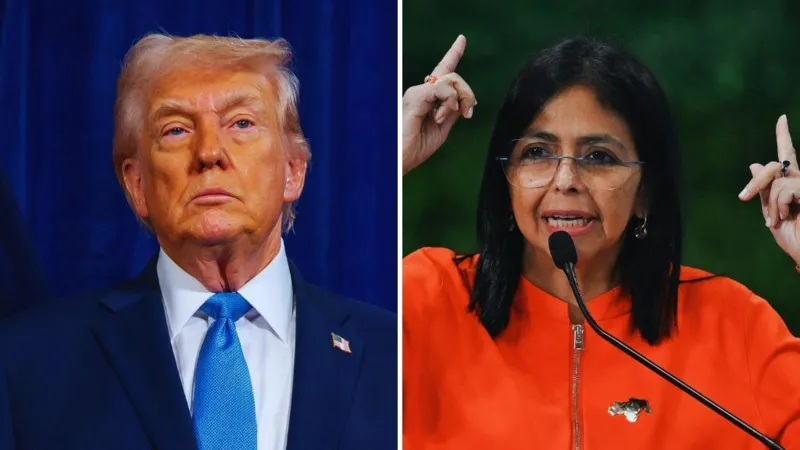
US President Donald Trump and Venezuelan interim President Delcy Rodríguez have praised the agreement. However, opposition figures, former Venezuelan officials and some analysts have questioned the terms, cost and political impact of the deal.
Quick Facts: US Venezuela Oil Deal
| Deal | Major US Venezuela oil agreement |
| Location | Caracas, Venezuela |
| Oil Fields | 17 fields |
| Reported Oil | About 65 billion barrels |
| Investment | About $100 billion |
| Key Issue | Criticism over US influence and Venezuela's oil resources |
The US Venezuela oil deal represents a major change in Washington’s approach to Venezuela.
The agreement gives a US led company long term concessions covering 17 oil fields. The fields reportedly contain about 65 billion barrels of crude.
President Trump described the agreement as the biggest oil deal in history. Rodríguez also called the agreement historic.
According to figures presented by the Venezuelan government, the project could attract about $100 billion in investment. It could also generate more than $200 billion in tax revenue.
However, the deal has attracted strong criticism from several sides.
Critics argue that Venezuela may receive too little in return for control over such valuable oil resources. Some opponents also question whether the agreement gives Washington too much influence over Venezuela’s energy sector.
US Seeks Greater Energy Influence
The agreement also gives the US government an unusual role in the private company involved in the project.
The White House says the US government will work with North American Blue Energy Partners, known as Nabep. The company is described as one of Venezuela’s largest private oil producers.
Under the proposed framework, Washington would have veto power over the appointment of board members. A majority of the company’s board would also need to hold US citizenship.
US officials say the arrangement could reduce dependence on oil supplies from the Middle East.
Interior Secretary Doug Burgum argued that greater Venezuelan production could shift more of the global energy market toward the Western Hemisphere.
The timing also matters because tensions with Iran have pushed energy prices higher. More Venezuelan oil production could eventually add supply to international markets.
Questions Over Venezuela's Oil Industry
Despite the size of the agreement, analysts warn that Venezuela cannot quickly restore its former production levels.
Years of underinvestment and mismanagement have damaged the country’s oil industry. Major spending will be required to repair infrastructure and increase production.
That means the financial benefits promised by the agreement may take years to appear.
Opposition Raises Political Concerns
The agreement has also created tension among Venezuelan opposition figures.
Opposition leaders question Washington’s decision to work with Rodríguez. She previously served as Venezuela’s vice president under Nicolás Maduro.
Critics argue that the US should focus first on restoring constitutional government and creating a clear path toward elections.
Economist Ricardo Hausmann criticized the agreement and argued that Washington should have placed greater emphasis on democracy and political change.
The lack of a clear election timetable has added to concerns among Maduro’s opponents.
Venezuelan Socialists Also Object
Criticism isn’t limited to the opposition.
Some Venezuelan socialists also view the agreement as a major concession to Washington.
The socialist movement spent years opposing US influence over Venezuela’s natural resources. Some members now fear that the new agreement could give the United States excessive control over the country’s most valuable economic asset.
Rafael Ramírez, a former Venezuelan oil minister and former head of PDVSA, described the agreement as a move toward a new form of US influence.
His criticism reflects a wider debate inside Venezuela over who should control the country’s oil wealth.
Venezuela's Oil History
Oil has played a central role in Venezuela’s economy and politics for decades.
During Hugo Chávez’s presidency, his government increased state control over the country’s oil industry. Chávez also criticized foreign oil companies and previous governments for allowing too much foreign influence.
His administration took control of several foreign owned oil assets and promoted greater state ownership through PDVSA.
The new agreement marks a significant shift from that approach.
Venezuela is now seeking large scale foreign investment to rebuild its damaged oil industry. At the same time, the United States is gaining a much stronger role in Venezuela’s energy sector.
US Venezuela Oil Deal Could Reshape Energy Power
The US Venezuela oil deal could have major economic and political consequences.
For Venezuela, foreign investment could help repair oil infrastructure, increase production and create government revenue.
For the United States, greater access to Venezuelan oil could strengthen energy security and reduce reliance on some Middle Eastern supplies.
The agreement could also change the balance of power in the Western Hemisphere.
Uncertainty Awaits the US-Venezuela Oil Deal
The pace of production growth will be another important test.
If investment moves quickly, Venezuela could gradually increase oil output. If infrastructure problems and political disputes continue, the promised benefits could take much longer to appear.
The future of Venezuela’s political system will also remain important. Any change in government could affect how the agreement operates.
Supporters see the agreement as a way to bring investment into Venezuela and increase global oil supplies. Critics argue that it gives the United States too much influence over Venezuela’s natural resources.
The success of the deal will depend on investment, production growth, legal arrangements and Venezuela’s political future.