
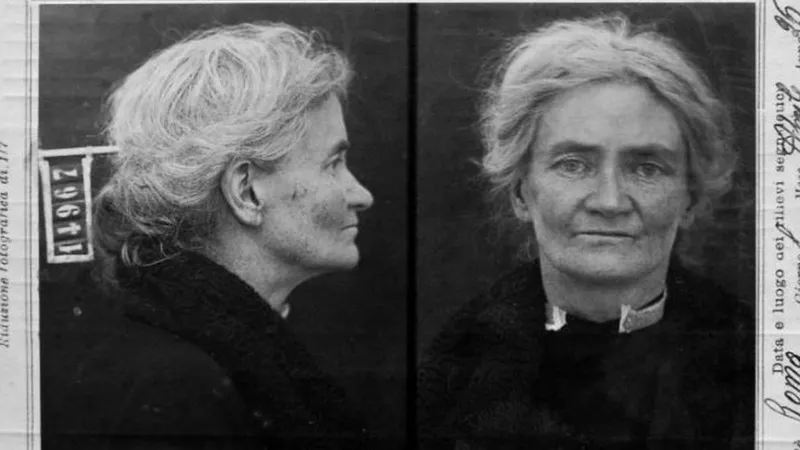
Rome: A shocking assassination attempt
Violet Gibson was seconds away from changing the course of history on 7 April 1926. In Rome, she stepped from a crowd and shot Benito Mussolini.
A bullet hit his nose, but it did not kill him. Her gun jammed when she tried to fire another shot. The police intervened quickly and removed her from the crowd. This likely saved her life. Mussolini supporters could have easily killed her.
The Unusual Life of a Privileged Person
Violet Gibson was born into a prominent Anglo-Irish clan. Edward Gibson was the Lord Chancellor in Ireland. She rejected many family values despite her privilege.
Her family was tense because she converted to Catholicism, and then adopted socialist views. Despite her mental illness and intelligence, she was still treated with care by her family.
She moved later to Italy. She spent her time there learning the language, and helping the less fortunate. Wealthy individuals in her time were known to perform acts of charity.
The Personal Struggles of Radical Motivation
She likely acted on both religious and political beliefs when she chose to attack Mussolini. She was a strong opponent of fascism, and the violence it has grown into. She was deeply moved by the murder of Giacomo Matteotti, a socialist leader.
Many believe that she saw her action as a sacrifice to a higher cause.
The Attempt That Backfired
Mussolini was able to benefit from the incident despite its seriousness. The British government, as well as Gibson’s parents, both emphasized Gibson’s mental instability. Even sending messages confirming Mussolini’s survival.
Mussolini emphasized this story as well. He did not want to give the impression that an opponent was close to success.
The incident actually strengthened his image. Many of his supporters started to think that he was untouchable and even shielded by divine or fate power. This perception strengthened his authority, not weakened it.
The Final Years of History
Mussolini’s reign lasted for another two decades. Italian partisans executed Mussolini in 1945 as he fled advancing Allied troops.