
Global oil markets moved sharply as tensions rose over a deadline set by Donald Trump, pushing investors to react quickly to every new signal from the Middle East.
Uncertainty Drives Oil Price Volatility
Benchmark Brent crude oil briefly climbed above $111 per barrel in early trading. Prices then dropped below $108 before recovering to around $110.
This back and forth reflects uncertainty in the market. Traders are unsure whether the situation will lead to a deal or a wider conflict.
Strait of Hormuz Disruption Raises Supply Concerns
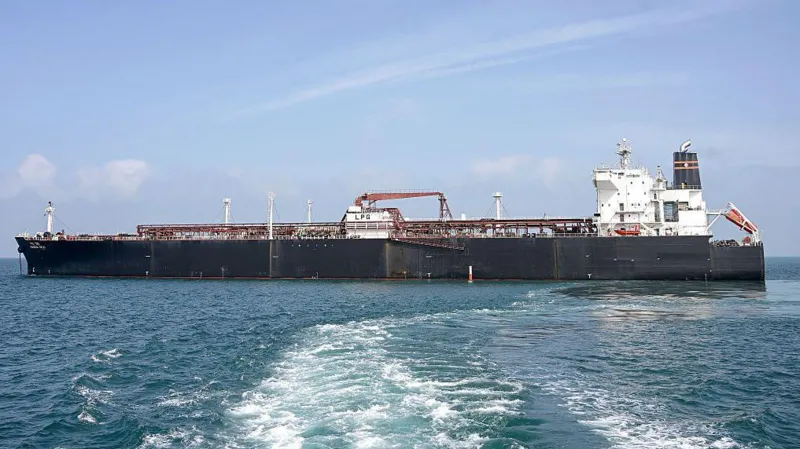
At the center of the crisis is the Strait of Hormuz, a critical route that carries nearly one fifth of the world’s oil and gas supply.
Iran has warned it may target vessels using the route. These threats come in response to ongoing US and Israeli airstrikes since late February. As a result, energy shipments from the region have already slowed.
Rising Tensions and Strong Statements
Trump has increased pressure on Iran, warning of severe consequences if a deal is not reached before the deadline. At the same time, he suggested that negotiations are ongoing, though the outcome remains unclear.
Iran has rejected temporary ceasefire proposals. It is demanding a permanent end to the conflict and removal of economic sanctions.
Markets React to Geopolitical Risk
Financial markets in the US showed signs of stress. Major indices, including the Dow Jones, S&P 500, and Nasdaq, opened lower as investors reacted to rising geopolitical risk.
Analysts believe the early rise in oil prices signals concern that talks may fail. A prolonged conflict could tighten global oil supply even further.
Shipping Costs and Delays Add Pressure
Even where shipments continue, costs have increased sharply. Insurance premiums for tankers have surged, and available cargo space is limited. In many cases, oil is being sold to the highest bidder, adding further strain on global supply chains.
Experts also note that even if tensions ease, recovery will take time. Oil shipments may resume quickly, but other energy sectors, such as liquefied natural gas, could take several months to return to normal operations.
Asia Feels the Impact Most
Countries in Asia, especially Japan and South Korea, face higher risks due to their reliance on Middle Eastern energy supplies. Some nations have secured separate arrangements with Iran to keep shipments moving, but overall volumes remain lower than usual.
Inflation Fears Grow
Rising energy prices are increasing concerns about global inflation. Higher fuel costs often lead to increased prices across industries, which may push central banks to keep interest rates elevated.