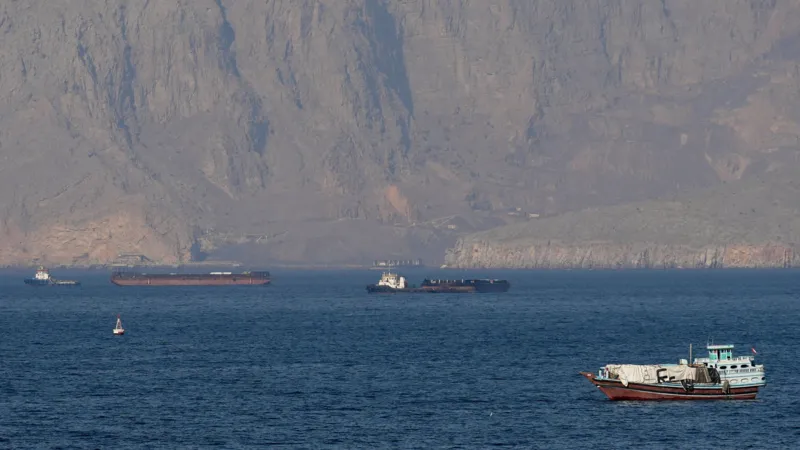
Iran has again declared restrictions on commercial shipping in the Strait of Hormuz, warning that vessels moving toward the key maritime route could be attacked. The announcement comes after a short period when limited traffic reportedly resumed.
The Strait of Hormuz is one of the most critical oil shipping corridors in the world. Any disruption there can quickly affect global energy supply and push prices higher.
Iran’s Position and Military Warning
The Islamic Revolutionary Guard Corps stated that ships should not move in nearby waters, including anchorage zones in the Persian Gulf and the Sea of Oman. It further warned that vessels approaching the strait could be treated as hostile targets.
Iran says the move is linked to a continuing US blockade of its ports. Officials also claim that some vessels briefly passed through the area under Iranian supervision before the route was restricted again.
US Response and Rising Tensions
Donald Trump rejected Iran’s actions and said the United States will not accept pressure through threats to global shipping routes. He linked the situation to broader negotiations between the two sides.
A temporary ceasefire is currently in place but is expected to end soon. This has increased concern about further escalation in the region.
Impact on Global Trade
The Strait of Hormuz plays a major role in global oil transportation. Even short disruptions often create uncertainty in energy markets and raise fuel prices worldwide.
Experts warn that continued instability could affect shipping insurance costs and delay deliveries for multiple countries that depend on Gulf oil exports.