Major US Business Leaders
US President Donald Trump is expected to travel to China this week with some of America’s biggest business and technology leaders. The visit comes at a critical time as tensions between the United States and China continue over trade, technology, and global politics.
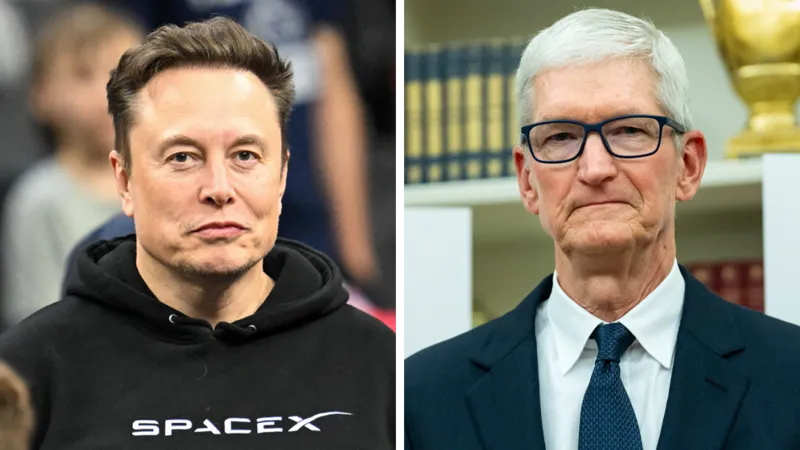
Top executives joining the official US delegation include Tim Cook, Elon Musk, and Larry Fink. Reports say around 17 major executives will accompany Trump during the Beijing visit.
The high level meeting between Trump and Chinese President Xi Jinping is expected to focus on trade relations, global security, and economic cooperation.
CEOs From Tech, Banking
The delegation represents several major industries, including technology, finance, manufacturing, and social media. Executives expected to join the trip include:
- Dina Powell McCormick from Meta
- Kelly Ortberg from Boeing
- Ryan McInerney from Visa
- Stephen Schwarzman
- Brian Sikes
- Jane Fraser
- Chuck Robbins
- David Solomon
- Michael Miebach
The presence of these executives highlights how important the US China relationship remains for global business and investment.
Trade Tensions and Tariff
Trump’s China visit could become an important step in improving relations between the world’s two largest economies. Both countries faced a long trade dispute that resulted in heavy tariffs on imported goods. At one point, tariffs crossed 100%, creating pressure on businesses and consumers worldwide.
The two nations paused many tariffs in October 2025 after Trump and Xi held talks in South Korea. However, economic competition between Washington and Beijing continues, especially in technology and manufacturing sectors.
Business leaders hope the meeting will create more stability for global markets and reduce uncertainty for international trade.
Iran Conflict Expected
The ongoing conflict involving the US, Israel, and Iran is also expected to dominate discussions during the meeting. Trump reportedly wants China to help support diplomatic efforts between Washington and Tehran.
China depends on Iranian oil imports, making the issue important for its economy. Rising tensions in the Middle East have already affected global energy markets and international trade routes.
Despite the pressure, China has managed the situation better than many countries because of its large oil reserves and diversified energy supply network.