
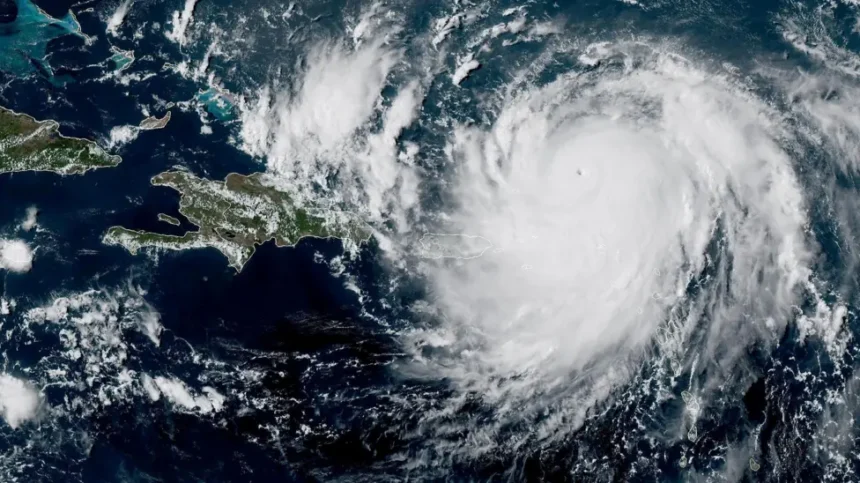
Weather experts in the United States expect a less active Atlantic hurricane season in 2026. The National Oceanic and Atmospheric Administration reports a 55 percent chance that the season will stay below normal levels.
Forecasters predict between eight and fourteen named storms. Among these, three to six may become hurricanes. One to three could reach major strength.
A typical season usually brings around fourteen named storms, seven hurricanes, and three major hurricanes.
Why El Niño may reduce storm activity
A developing El Niño is one of the main reasons for the expected slowdown in storm activity.
El Niño changes wind patterns across the tropical Pacific. It often weakens the usual east to west trade winds. This shift can increase strong upper level winds over the Atlantic.
These stronger winds create wind shear. Wind shear disrupts storm formation by tearing developing systems apart before they can strengthen.
Because of this, El Niño conditions often limit the number and strength of Atlantic hurricanes.
Warm Atlantic waters still support storm formation
Sea surface temperatures in the Atlantic are expected to remain higher than average.
Warm ocean water usually fuels hurricane development. It gives storms the energy they need to grow stronger.
This creates a conflict in the forecast. Warm water supports storm growth, while El Niño conditions work against it.
Forecasters believe the El Niño influence will likely be stronger overall, keeping activity lower than usual.
What forecasters expect this season
Experts expect a quieter season compared with recent years, but they also highlight uncertainty in long range forecasts.
Even in a weaker season, strong hurricanes can still form. Weather systems remain difficult to predict with full accuracy months in advance.
Officials emphasize that a single powerful storm can cause major damage, even when total storm numbers are low.
Why even quiet seasons can still be dangerous
Hurricanes can produce severe impacts. These include damaging winds, heavy rainfall, flooding, and storm surge along coastlines.
History shows that major hurricanes can strike during quieter seasons. Past storms such as Hurricane Betsy in 1965 and Hurricane Andrew in 1992 caused major destruction despite below average activity overall.
What a normal hurricane season looks like
A typical Atlantic hurricane season runs from June 1 to November 30. Activity usually peaks in September.
On average, the Atlantic produces about fourteen named storms in a season. These range from weaker tropical storms to intense hurricanes.
Meteorologists use satellite data, historical records, and computer models to create seasonal forecasts.