Funding withdrawal raises concern
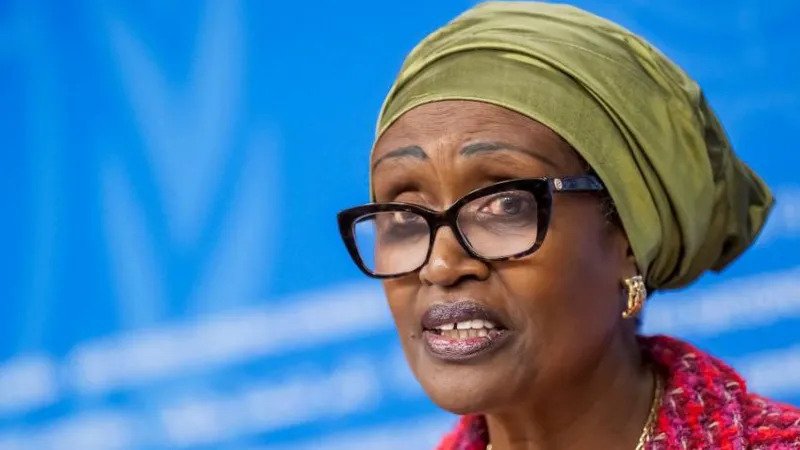
The head of UNAIDS has warned that the United States decision to end HIV and AIDS funding for South Africa could lead to loss of lives. Winnie Byanyima urged Washington to rethink the move and support a gradual transition instead of an immediate stop.
She said reducing international health support at this scale risks reversing years of progress in HIV prevention and treatment.
South Africa’s HIV response at risk
South Africa carries one of the world’s highest HIV burdens, with more than eight million people living with the virus. While the country continues to fund HIV treatment through its own health system, US support has played an important role in prevention efforts.
Before the cut, the United States contributed around 400 million dollars each year through the global PEPFAR program. This covered about 17 percent of South Africa’s HIV response support, especially in prevention and outreach work.
Health officials in South Africa said they were not formally informed about the decision. They also said the country has already been preparing a plan to reduce dependence on foreign aid.
UNAIDS warning on global impact
Winnie Byanyima stressed that cutting funding will directly affect vulnerable communities. She said support programs that help prevent new infections and provide community care could weaken without international assistance.
She added that the United States has historically been the largest contributor to global HIV programs and urged continued cooperation to protect public health gains.
Political tension behind the decision
Relations between the United States and South Africa have become more strained in recent years. US officials linked the funding cut to concerns over South Africa’s domestic policies, including claims about treatment of certain groups.
The South African government rejected these claims and said its policies aim to address inequality created during the apartheid era.
Some US political statements have also suggested serious human rights concerns in South Africa, claims that have been widely disputed internationally.
Risk of reversing progress
Health experts warn that reduced funding could slow prevention programs, reduce access to services, and increase new infections over time. UNAIDS has called for continued international cooperation to avoid setbacks in the global fight against HIV and AIDS.