
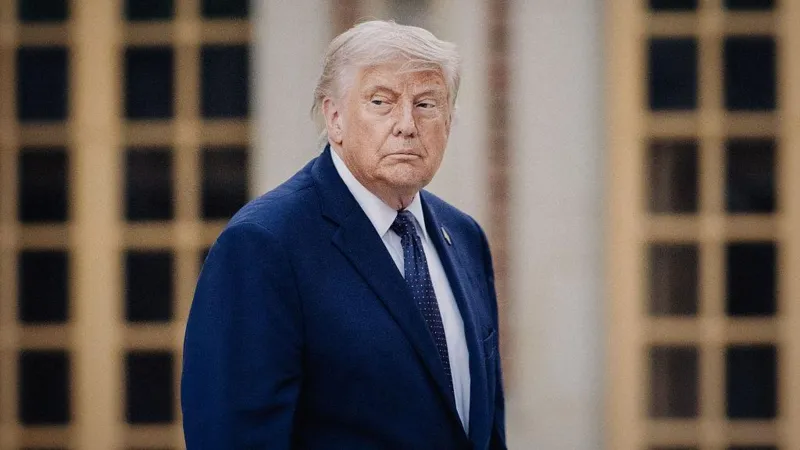
The US Congress has taken a historic step by approving a War Powers Resolution that calls on President Donald Trump to stop military operations against Iran unless he receives authorization from lawmakers.
The Republican-controlled Senate passed the measure in a close 50 to 48 vote on Tuesday. Earlier this month, the House of Representatives also approved the resolution. The decision marks a rare moment when members of Trump’s own party joined Democrats in opposing the president’s military approach.
Congress Sends Strong Message on Iran Conflict
The resolution requires the president to either halt military involvement in Iran or seek approval from Congress before continuing military operations. Although the measure does not carry legal force, it reflects growing concern among lawmakers about the direction of US policy in the Middle East.
Several Republican senators broke ranks with Trump and voted alongside Democrats. Their support highlighted increasing unease over the conflict, which is now approaching its fifth month.
Rare Republican Opposition to Trump Emerges
President Trump strongly criticized the resolution shortly after the vote. He described the measure as meaningless and argued that lawmakers had complicated his efforts to deal with Iran.
Trump insisted that his administration was making progress and suggested that congressional intervention could weaken America’s position during a sensitive period of negotiations and military tensions.
Despite Trump’s criticism, the vote demonstrated a level of resistance that has rarely appeared within the Republican Party since his return to office.
Why the War Powers Resolution Matters
The vote is significant because it marks the first time since the War Powers Resolution became law in 1973 that both chambers of Congress have approved a concurrent resolution directing a president to end a military action.
Unlike traditional legislation, a concurrent resolution does not go to the president for approval and does not become law. Instead, it expresses the official position and intent of Congress.
Political analysts say the measure serves as a warning rather than a legal restriction. It signals growing concern among lawmakers and voters about the ongoing conflict with Iran.
Political Impact Likely Greater Than Legal Effect
Legal experts believe the resolution is unlikely to change US military policy immediately. Previous presidents have often challenged or ignored similar congressional efforts.
Because the measure lacks binding legal authority, experts expect Trump to continue following his current strategy unless political pressure increases.
However, analysts argue that the vote carries substantial political weight. It shows that lawmakers in both chambers are willing to publicly challenge the president on a major foreign policy issue.
Growing Concerns Over the Prolonged Iran Conflict
The resolution comes at a time when concerns about the Iran conflict continue to grow. Lawmakers from both parties have questioned whether the United States should remain involved without clear congressional authorization.
While the immediate impact may be limited, the vote reflects increasing pressure on the administration to justify its military actions and seek broader political support.
As tensions in the Middle East continue, the debate over presidential war powers and congressional oversight is likely to remain a central issue in Washington.