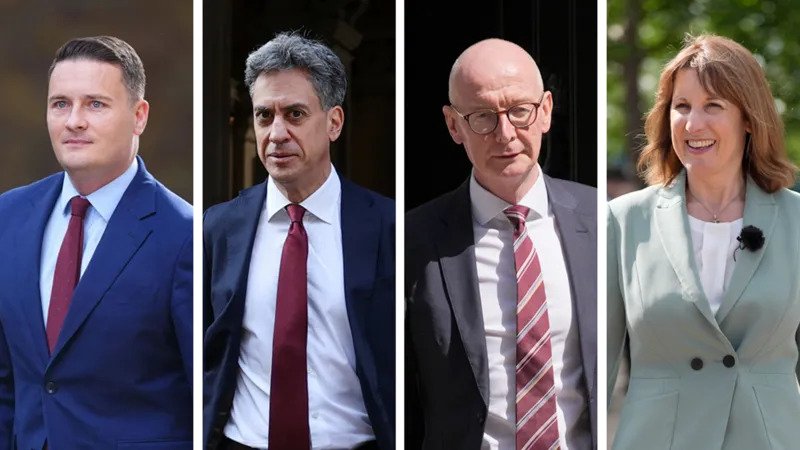
With Sir Keir Starmer stepping down, many political observers expect Andy Burnham to become the next UK prime minister. If Burnham takes office, attention will quickly turn to one of the most important positions in government: the chancellor.
The next chancellor will inherit a challenging economic situation. Rising public debt, weak economic growth, welfare reform pressures, increased defence spending, and global uncertainty are all on the agenda. As a result, the choice could have a direct impact on businesses, investors, and households across the UK.
Wes Streeting Emerges as the Leading Contender
Many bookmakers currently see Wes Streeting as the frontrunner for the chancellor role.
Streeting previously competed for the Labour leadership but later backed Burnham. His support has led to speculation that he could be rewarded with one of the most powerful jobs in government.
However, not everyone supports that idea. Economist Lord Jim O’Neill has suggested that the role should go to the most qualified candidate rather than someone seeking recognition for political loyalty.
Although Burnham and Streeting work within the same party, they often differ on economic priorities. Burnham generally supports higher public spending, while Streeting is viewed as more cautious on government finances.
Economic analysts describe Streeting as relatively friendly to business and growth. Supporters believe he could reassure financial markets. Critics, however, argue that his long term political ambitions could create challenges in government.
Ed Miliband Remains a Strong Alternative
Another name frequently mentioned is Ed Miliband.
The former Labour leader is considered politically closer to Burnham. Many experts believe that strong alignment between the prime minister and chancellor helps create stable economic policy.
Miliband brings significant experience to the table. Supporters argue that he has the knowledge and authority needed to guide the economy through difficult times.
Some economists believe he could win market confidence by presenting a clear and consistent financial strategy. Others remain concerned about his economic approach.
Concerns Over Energy Policy
Critics often link Miliband’s strong support for net zero policies to Britain’s relatively high energy costs.
Because of this perception, some analysts fear financial markets could react cautiously if he became chancellor. Investors typically look for policies that support stable growth while keeping inflation under control.
Miliband has also faced criticism from parts of the trade union movement. Opponents argue that restrictions on new oil and gas projects in the North Sea could limit job creation and investment opportunities.
Major Challenges Await the Next Chancellor
Regardless of who secures the position, the next chancellor will face a difficult task.
The UK economy continues to struggle with slow growth and high government borrowing. At the same time, public services require additional funding, while defence spending demands continue to increase.
Global tensions and uncertainty in international markets add further pressure. The next chancellor will need to balance economic growth, public spending, and financial stability while maintaining confidence among businesses and investors.
Final Thoughts
The race to become the UK’s next chancellor is already attracting significant attention. Wes Streeting and Ed Miliband currently lead the discussion, but the final decision will likely depend on Andy Burnham’s broader economic vision.
Whoever takes the role will play a crucial part in shaping the UK’s financial future during a period of significant economic and political change.