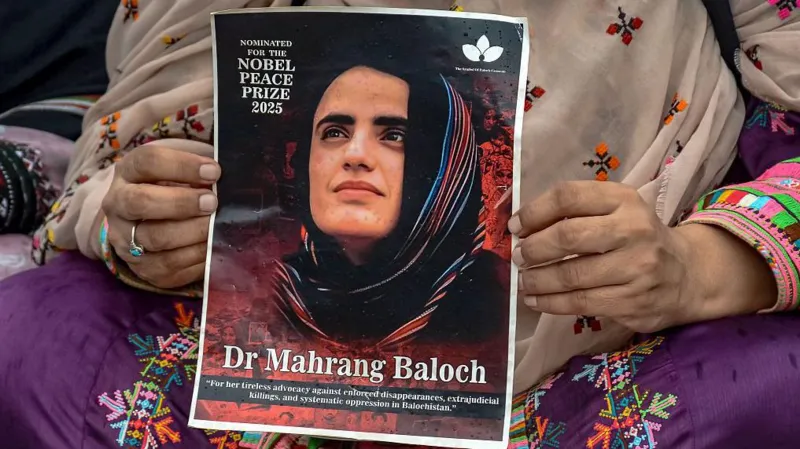
Pakistani human rights activist Dr Mahrang Baloch, known for her campaign against enforced disappearances in Balochistan, has been sentenced to life imprisonment by an anti-terrorism court. The ruling has sparked debate among rights groups and political observers across the country.
The court also handed a life sentence to fellow activist Sibghatullah Shah. Authorities convicted both individuals on charges that included terrorism, sedition, and murder linked to the death of a paramilitary soldier during a protest in Gwadar in 2024.
Both activists reject the allegations and plan to challenge the verdict through the legal system.
Family Vows to Continue Legal Battle
Mahrang’s family has strongly opposed the court’s decision. Her sister, Nadia Baloch, confirmed that the family will appeal in higher courts.
According to Nadia, the family remains determined despite the outcome. She admitted that the emotional impact of the case has been overwhelming. She said she has not yet visited her sister in prison because the situation is extremely difficult for her family.
A Personal Journey Shaped by Tragedy
Mahrang Baloch’s activism began long before she became a well-known public figure. Her commitment to the issue of enforced disappearances stems from a painful personal experience.
In 2009, when she was only 16 years old, her father, Abdul Ghaffar Langove, reportedly disappeared after security forces detained him. For years, the family searched for answers and joined many other families facing similar circumstances in Balochistan.
Nearly three years later, the family received news that his body had been discovered in the Lasbela district. The loss deeply affected Mahrang and became a turning point in her life.
Voice for Missing Persons
Over the years, Mahrang emerged as one of the most prominent voices demanding accountability for missing persons in Balochistan. She participated in protests, awareness campaigns, and public discussions focused on human rights concerns in the province.
Her activism gained attention both inside Pakistan and internationally. Supporters viewed her as a symbol of resilience and advocacy for affected families.
In 2025, her growing influence led to her nomination for the Nobel Peace Prize, bringing further attention to the issue she had spent years highlighting.
Uncertain Road Ahead
The recent court verdict marks a significant chapter in Mahrang Baloch’s life and activism. While the sentence presents a major legal challenge, her family remains committed to pursuing justice through the courts.
As the appeal process moves forward, the case is expected to remain a subject of national and international interest. It also continues to highlight ongoing discussions surrounding human rights, political activism, and enforced disappearances in Balochistan.