Historic Agreement Brings an End to NHS Disruption
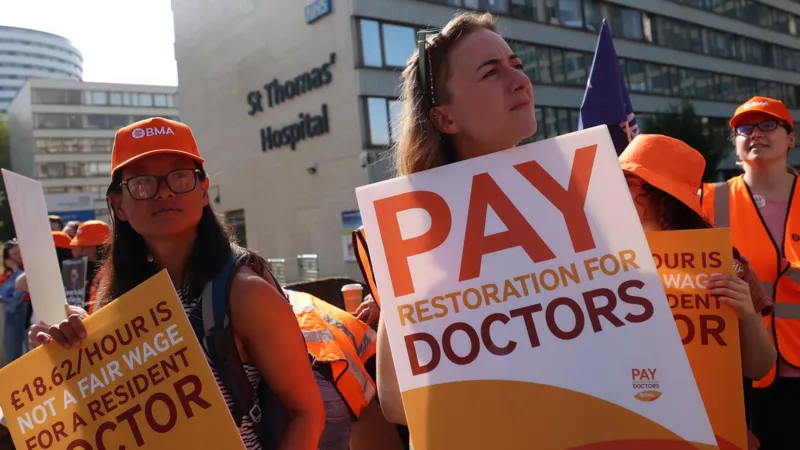
Resident doctors in England have voted to accept the government’s latest pay and employment package, officially ending three years of industrial action that disrupted healthcare services across the country.
The agreement received support from 53% of eligible members of the British Medical Association (BMA). More than 32,900 doctors participated in the vote, with an overall turnout of 57%.
The decision marks a major turning point for the National Health Service (NHS), which faced hundreds of thousands of cancelled appointments and delayed treatments during the strikes.
What the New Pay Deal Includes
Under the agreement, resident doctors will receive a 3.5% pay rise this year, following recommendations from an independent pay review body.
The government also confirmed that doctors will receive backdated pay from 1 April 2026. Overall, the package delivers an average salary increase of 4.9%, which will rise to approximately 6.6% by April 2027.
Starting salaries for resident doctors will now exceed £40,000 per year. Senior resident doctors will earn basic salaries of up to £76,500 annually. Additional payments for overtime, night shifts, and weekend work can further increase earnings.
More Training Opportunities for Future Doctors
The package offers more than just higher pay. The government has also promised 4,500 additional training positions for newly qualified doctors.
Furthermore, resident doctors will no longer have to pay out of their own pockets for professional examination fees. These changes aim to improve career progression and encourage more doctors to remain in the NHS.
BMA Welcomes the Agreement
Dr. Jack Fletcher, Chair of the BMA’s Resident Doctors Committee, welcomed the outcome and said the strikes could have been avoided.
He stated that the agreement delivers better pay, creates more job opportunities, and strengthens the NHS workforce for future patients.
Health and Social Care Secretary James Murray also praised the deal. He said ending the dispute is positive news for doctors, patients, and the healthcare system.
Situation Across the United Kingdom
While the dispute in England has now ended, other parts of the United Kingdom are taking different approaches.
Resident doctors in Wales continue discussions over pay and training opportunities without taking strike action.
In Scotland, doctors have already accepted the government’s pay offer.
Meanwhile, resident doctors in Northern Ireland have launched a 24-hour strike to press for improved pay and working conditions.
Who Are Resident Doctors?
Resident doctors are fully qualified medical professionals who have completed medical school and foundation training. They make up nearly half of all doctors working in England and provide essential services in hospitals, emergency departments, and GP surgeries.
In September 2024, the government officially changed their title from “junior doctors” to “resident doctors” to better reflect their experience and responsibilities.
The new agreement is expected to improve morale among doctors and bring stability back to NHS services after years of disruption.