US Launches New Wave of Military Operations
Tensions between Iran and the United States have intensified after the US carried out another round of military strikes against Iranian military positions. According to the US Central Command (Centcom), the operation included drone, air, and naval attacks aimed at reducing Iran’s ability to threaten commercial shipping in the Strait of Hormuz.
Military officials stated that one phase of the operation targeted coastal defense systems and cruise missile storage and launch sites on Greater Tunb Island. The attacks followed another lengthy military operation carried out overnight, highlighting the growing pace of the conflict.
Iran Warns of Wider Trade Route Disruptions
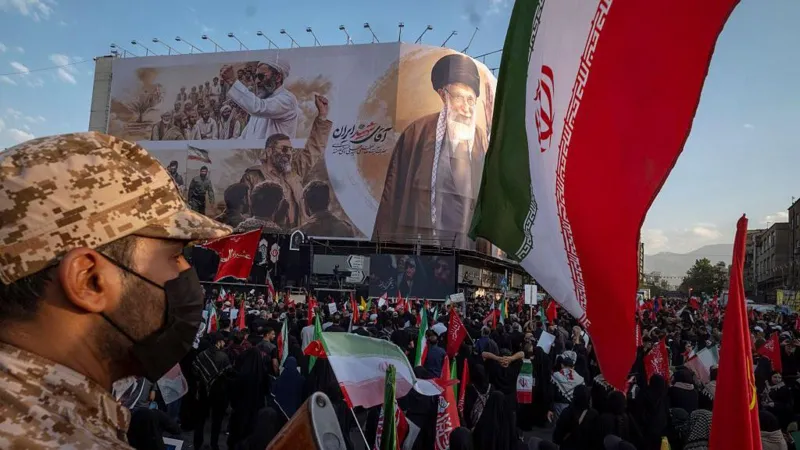
In response, Iran’s Revolutionary Guards warned that the Strait of Hormuz would remain closed until the United States stopped what Tehran described as acts of aggression. Iranian officials also threatened to block additional regional oil and gas export routes, although they did not identify which routes could be affected.
Iran’s state television also reported that the country’s military launched separate attacks on US targets, adding another layer to the escalating confrontation.
Strait of Hormuz Remains at the Center of the Crisis
The Strait of Hormuz remains one of the world’s most important energy shipping routes. A significant share of global oil and liquefied natural gas exports passes through this narrow waterway every day.
As military tensions continue to rise, tanker traffic has slowed sharply. The disruption has increased concerns about global energy supplies and contributed to a noticeable rise in international oil prices.
Analysts warn that any prolonged disruption in the Strait could affect global trade, transportation costs, and fuel prices across many countries.
Trump Signals More Pressure on Iran
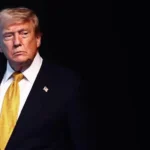
US President Donald Trump said he could expand military operations if Iran refuses to return to negotiations. During a television interview, he stated that the United States could target bridges, power plants, and eventually energy infrastructure if diplomatic efforts fail.
Earlier proposals to impose a 20 percent toll on ships passing through the Strait of Hormuz have also changed. Trump now says he prefers large trade and investment agreements with Gulf countries instead of imposing the planned toll.
US Renews Blockade on Iranian Ports
The United States has also restored a blockade on Iranian ports, preventing many vessels from entering or leaving Iranian coastal areas. The restriction reverses an earlier agreement reached between both countries last month, which had temporarily eased maritime tensions.
Iran strongly criticized the renewed blockade. Officials warned that Washington should expect further action against regional oil and gas export routes that support US interests and its allies.
Global Markets Watch the Situation Closely
The latest exchange of military action has increased uncertainty across international markets. Investors, shipping companies, and energy traders continue to monitor developments as fears grow over possible disruptions to global trade and energy supplies.
With both sides maintaining strong positions, concerns remain that the conflict could expand further unless diplomatic talks resume in the coming days.