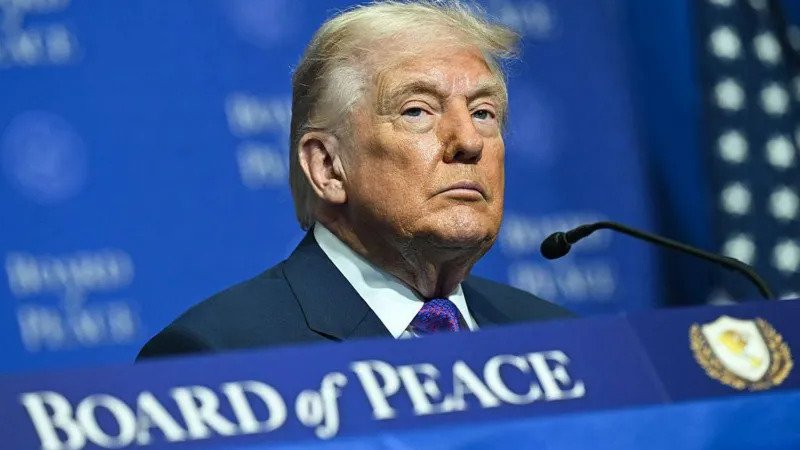
Tensions between the United States and Iran have put President Donald Trump’s foreign policy back in the spotlight. During a recent meeting of the Board of Peace, a Middle East coalition he created, Trump delivered a fresh warning to Tehran. He called for peace but also threatened military action. That contrast shows the core struggle shaping his second term.
Diplomacy or Military Pressure?
Trump says he prefers a diplomatic agreement that would end Iran’s nuclear weapons ambitions. A White House official recently said Iran would be “very wise” to reach a deal. However, the administration has increased pressure in recent weeks. Trump ordered a major military buildup in the Middle East. Analysts describe it as the largest US deployment in the region since the Iraq War in 2003.
This approach raises questions. Trump often signals he wants negotiations. At the same time, he strengthens military options. That mix leaves allies and critics unsure about his final goal.
The Shadow of Past Military Action
Some observers argue that Trump uses strong language to gain leverage. Yet recent history suggests his threats carry weight. Earlier this year, the US carried out an operation against Venezuela. That mission led to the capture of former President Nicolás Maduro. The administration defined the objective narrowly and claimed success.
Iran presents a more complex challenge. Trump insists that a US strike last June “obliterated” Iran’s nuclear facilities. If that is true, critics ask why another strike would be necessary. The White House has not clearly explained its new targets or expected results.
Nuclear Talks at a Standstill
Washington and Tehran have held indirect talks. These discussions focus on uranium enrichment and Iran’s nuclear programme. Iran has signaled openness to negotiations. However, talks have stalled. The US wants Iran to limit its ballistic missile programme and reduce support for proxy groups across the region.
Sanctions and domestic protests have weakened Iran’s leadership under Supreme Leader Ayatollah Ali Khamenei. Even so, Tehran has not agreed to broader US demands. The diplomatic path remains uncertain.
Strategic Risks and Regional Impact
A new US strike could trigger serious consequences. Iran may target American military bases in the region. A prolonged conflict could also disrupt US goals in the Middle East. That includes efforts tied to rebuilding Gaza through the Board of Peace initiative.
Israel’s role adds another layer. Israel joined the US in last year’s strike on Iran. Many expect Israel would participate again if Washington launches another campaign. That possibility increases the risk of wider regional escalation.
Trump has not outlined a detailed post conflict plan. He has not clarified whether his administration seeks regime change or limited military objectives. Without clear answers, uncertainty continues to shape US Iran relations.