Government Push to Protect Children Online
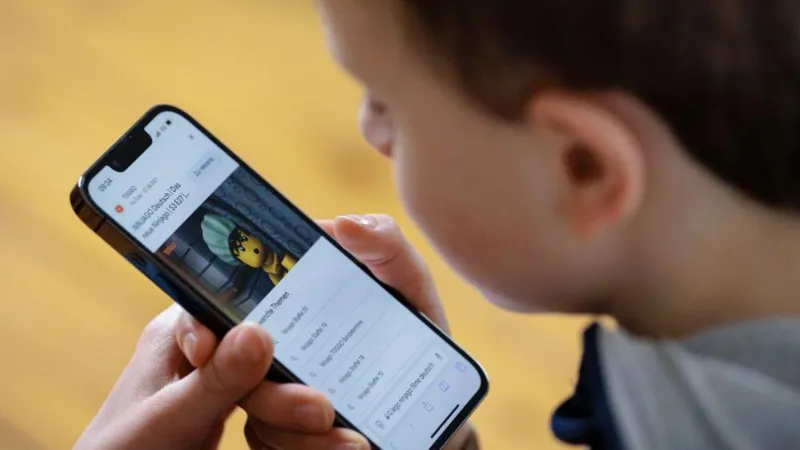
Austria has announced plans to restrict social media use for children under the age of 14. The proposal comes after growing concerns about the impact of digital platforms on young users, especially related to mental health and addictive behavior. The plan is still under discussion, and authorities have not yet confirmed how or when it will be enforced.
Vice-Chancellor Andreas Babler said the government must act to protect children from harmful online experiences. He compared social media risks to substances like alcohol and tobacco, arguing that digital platforms also need strict rules to safeguard minors. According to him, children should be shielded from addictive algorithms that influence their behavior and well-being.
Growing Global Trend of Restrictions
Austria is not acting alone. Several countries are exploring or implementing similar measures. Australia has already introduced a ban for users under 16, while France has approved restrictions for those under 15. Other nations, including the UK, Spain, Denmark, Greece, and Ireland, are considering age limits ranging from under 15 to under 16.
These moves reflect increasing global concern about how social media affects young people. Lawmakers argue that platforms expose children to harmful content and addictive design features. They also highlight the need for stronger digital protections, similar to those used in traditional media and other industries.
Debate Around Age Verification and Enforcement
One of the main challenges in enforcing such a ban is age verification. Austrian officials are discussing technical systems to confirm user age. They may use a broader European solution if available, or develop a national system if needed.
Critics of social media companies point out that although platforms claim to restrict users under 13, enforcement is often weak. This raises questions about how effective any new restrictions will be unless strict verification methods are applied.
Political Support and Public Opinion
The proposal has received support within Austria’s coalition government. Leaders from different parties have emphasized the importance of guiding children toward responsible digital use. Education Minister Christoph Wiederkehr stressed that social media must be used carefully, especially by young users.
Political analysts suggest that such measures are popular with the public, particularly among parents. The issue also gives politicians an opportunity to show action in areas that directly affect families, even as other challenges remain in the economy and public services.
Wider Reforms Alongside the Ban
The social media proposal is part of broader reforms in Austria’s education system. These changes include increased focus on subjects like democracy and artificial intelligence, along with adjustments to traditional coursework such as reducing Latin lessons.