
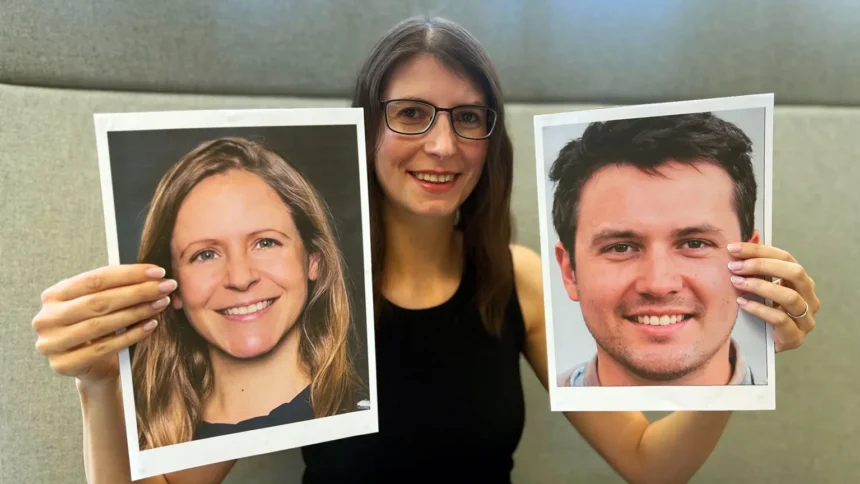
Artificial intelligence is creating human faces that look more realistic than ever. Many people now find it difficult to decide whether a picture shows a real person or an AI generated fake.
A new research study explores whether people can improve their ability to identify AI deepfake images. Scientists found that people can learn to notice small details that separate real faces from computer created ones.
Researchers Test Human Ability to Find AI Generated Faces
Psychologist Dr Clare Sutherland from the University of Aberdeen and her research team studied how people recognize fake images.
The team worked with researchers from Australia, Canada, and the UK. They created thousands of AI generated faces using StyleGAN3, a tool known for producing realistic human images.
Researchers tested participants before and after training. The results showed that people improved their ability to identify deepfake faces after learning specific visual clues.
Old Deepfake Detection Methods Are No Longer Enough
In the past, people could often spot AI images because they contained obvious mistakes. Common signs included extra fingers, unusual facial features, or strange details in clothing and accessories.
However, modern AI systems have improved quickly. They now create images with fewer visible errors. Fraudsters also avoid using images that contain clear mistakes.
Prof Amy Dawel, director of the Australian National University Emotions and Faces Lab, explained that simple checks are becoming less useful because AI technology continues to improve.
Small Facial Details Help Identify Fake Images
Researchers trained participants to focus on six important visual features. These details help people understand whether a face looks natural or artificially created.
Facial Symmetry
AI often struggles to copy the small differences found in real human faces. Natural faces usually have slight uneven features, such as a different shaped smile or a slightly lower eyelid.
A face that looks perfectly balanced may sometimes indicate an AI generated image.
Face Proportions
The size and relationship between facial features also provide clues. AI images may create unusual proportions, such as extremely large noses or unnatural ear shapes.
People can improve their detection skills by paying attention to these small differences.
Learning to Spot Deepfakes May Become More Important
As AI technology develops, fake images may become harder to recognize. Experts believe that teaching people how to identify deepfakes can help reduce online scams and misinformation.
The research shows that humans can improve their ability to detect AI generated faces. Instead of searching only for obvious mistakes, people need to understand the small details that make real human faces unique.