
Implants Need Improvement
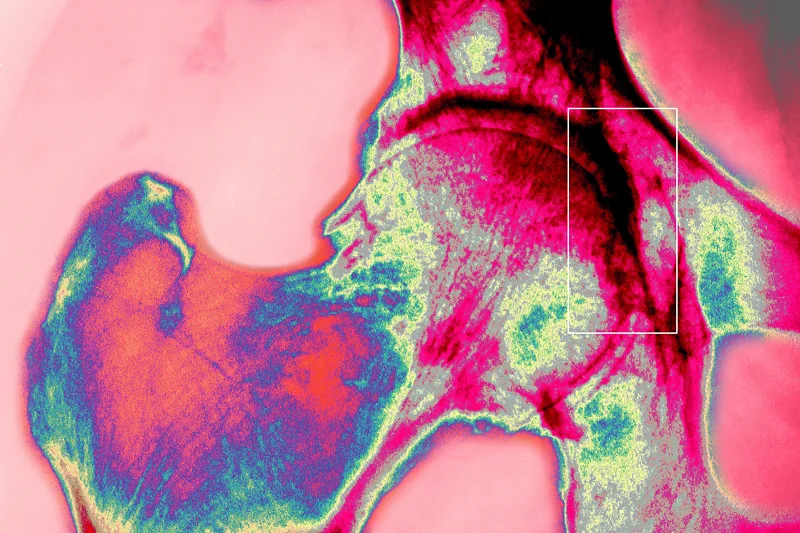
Hip replacement surgery is very common worldwide. Many patients receive artificial hips to restore movement and reduce pain.
But current implants have a limitation. They face constant stress from daily walking and movement. A person may take around two million steps each year. Over time, this repeated force causes wear inside the implant.
After about ten to fifteen years, many implants lose strength. Some patients need another surgery to replace them.
What Makes Bone So Special
Bone is not simple material. It reacts to force in a smart way. It can stay strong while also adapting to pressure.
Scientists wanted to copy this behavior. They looked for materials that could act in unusual ways under stress. One key idea was a material that becomes thicker when stretched.
Most normal materials do the opposite. When you pull them, they become thinner. This difference made the challenge very difficult.
The Challenge of Auxetic Materials
Researchers studied a special class of materials called auxetic materials. These materials become thicker when stretched.
They sound perfect for medical use. However, most auxetic materials are soft. They are not strong enough to handle body weight or daily movement.
This created a major problem. Scientists needed a material that was both flexible in behavior and very strong in structure. Finding this balance was extremely difficult.
How Artificial Intelligence Changed the Search
To solve the problem, researchers used artificial intelligence to explore new designs. The system was trained to predict how different structures behave under force.
Scientists entered the required properties into the system. They wanted strength, stiffness, and bone like behavior.
The system produced a new design called a metamaterial. This type of material gets its properties from its internal structure rather than its basic substance.
By adjusting microscopic patterns, researchers can create materials that behave in unusual ways.
Future of Personalized Implants
This research could change how hip implants are made. Stronger materials could last longer inside the body. This may reduce the need for repeat surgeries.
There is also potential for personalized design. Artificial intelligence may help create implants shaped and tuned for each patient’s anatomy.
This approach could improve healing and make implants fit more naturally with human bone.