Europe continues to face one of its most intense heatwaves in recent years. After days of scorching temperatures in Spain, France, and the United Kingdom, the extreme heat is now moving east toward Germany and the Czech Republic.
Weather experts have warned that temperatures in parts of Germany could reach 40°C on Thursday and Friday. Meanwhile, authorities in the Czech Republic have issued extreme heat warnings as dangerous conditions spread across the country.
The prolonged heat is increasing health risks, especially for vulnerable people. Officials across Europe are urging residents to take precautions and avoid unnecessary outdoor activities during the hottest hours of the day.
Germany and Czech Republic Prepare for Dangerous Heat
Meteorologists expect western and southwestern regions of Germany to experience the highest temperatures this week. Some areas may see temperatures close to 40°C.
The Czech Republic has also placed large parts of the country under extreme weather alerts. Authorities are advising people to stay hydrated, remain indoors when possible, and monitor elderly family members and neighbors.
As the heatwave expands, emergency services are preparing for a rise in heat-related illnesses and hospital admissions.
France Raises Heat Alert to Highest Level
France remains one of the countries most affected by the ongoing heatwave. In response, Prime Minister Sébastien Lecornu announced that the national health alert level would be raised to its highest stage.
The decision aims to strengthen hospital staffing and provide additional protection for vulnerable citizens.
Health Minister Stéphanie Rist said doctors are now seeing heat-related emergencies among both elderly people and younger adults. She noted that some young individuals have suffered cardiac arrests during the extreme temperatures.
Record Temperatures Continue Across France
France recorded another exceptionally hot day, continuing a trend of broken temperature records.
According to weather officials, average nighttime temperatures remained unusually high. In some areas, temperatures stayed above 22°C overnight. The city of Nantes recorded a minimum temperature of 27.2°C, highlighting the severity of the heat.
High nighttime temperatures make heatwaves more dangerous because the human body gets less opportunity to cool down and recover.
Rising Health Concerns in Paris
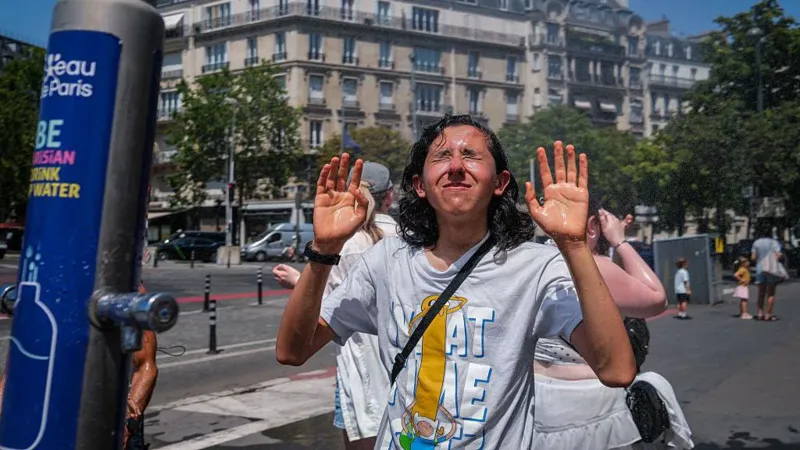
Emergency medical services in Paris reported a significant increase in health emergencies linked to the heat.
Health authorities said ambulance teams responded to four times more cardiac arrest cases than normal within a 24-hour period. While officials have not confirmed the exact number of heat-related deaths, concerns continue to grow.
Paris Mayor Emmanuel Grégoire urged residents to postpone intense physical activities for a few days. He specifically warned against jogging and outdoor exercise during peak temperatures.
He emphasized that everyone, including young and healthy individuals, should take the heat seriously.
Tragic Deaths Highlight the Dangers of Extreme Heat
Several tragic incidents have underscored the dangers of the ongoing heatwave.
A three-year-old child was found dead inside a vehicle in the Paris region. Earlier, two young children were also discovered dead in a family car in southern France.
In the northwestern city of Rennes, emergency officials linked multiple deaths among adults aged 60 and older to the extreme temperatures. Welfare teams found several victims after they failed to respond to routine phone calls.
These incidents serve as a reminder that heatwaves can become life-threatening very quickly.
Climate Experts Point to Global Warming
United Nations climate chief Simon Stiell said the extreme temperatures across Europe reflect the growing impact of climate change.
He called for faster adoption of renewable energy, stronger forest protection measures, and improved climate resilience strategies.
Scientists have repeatedly warned that climate change is increasing the frequency, duration, and intensity of heatwaves around the world.
Authorities Urge Safety Measures
Health experts recommend drinking plenty of water, staying indoors during peak afternoon hours, and checking on vulnerable family members.
People should also avoid strenuous outdoor activities, wear light clothing, and seek shade whenever possible.
As the heatwave continues to move across Europe, authorities remain on high alert for further health emergencies and record-breaking temperatures.